| Armament |
10 x 21-inch torpedo tubes (24 torpedoes), 1 x 5-inch deck gun |
10 x 21-inch torpedo tubes
Design and Features of the USS Cod Submarine Memorial
The USS Cod Submarine Memorial stands as a tribute to the bravery and sacrifice of the crew aboard the USS Cod (SS-224), one of the most decorated submarines of World War II. Located in [specific location, e.g., Groton, Connecticut, or near Naval Submarine Base New London], the memorial integrates modern design with historical authenticity to create an immersive experience. Its architecture and exhibits reflect the submarine’s legacy, blending respect for naval history with innovative storytelling techniques. From the meticulously crafted submarine model to interactive multimedia displays, every element is designed to educate, honor, and evoke reflection.
The memorial’s layout prioritizes a chronological journey through the USS Cod’s missions, crew stories, and technological advancements of WWII submarine warfare. Visitors are guided through a series of exhibits that balance physical artifacts, digital enhancements, and symbolic installations. The use of materials like polished granite, weathered steel, and etched glass reinforces the solemnity of the site, while strategic landscaping and water features create a serene yet powerful atmosphere. Accessibility and inclusivity are central to the design, ensuring all visitors—regardless of physical ability—can engage with the memorial’s narrative.
Physical Layout and Architectural Design
The USS Cod Submarine Memorial spans approximately [X] acres, with its core structure designed as a low, horizontal edifice resembling the silhouette of a submerged submarine. The building’s exterior features smooth, curved lines and a matte finish, evoking the hydrodynamic shape of the USS Cod itself. Constructed primarily from black granite, stainless steel, and reinforced concrete, the materials were chosen for their durability and symbolic weight, mirroring the resilience of the submarine and its crew.
Key architectural elements include:
A central atrium housing the full-scale submarine model, surrounded by crew portraits and mission timelines.
Three distinct exhibition halls, each dedicated to a phase of the USS Cod’s service: pre-war training, combat missions, and post-war legacy.
An outdoor plaza with a reflective pool, where visitors can view the submarine model from below, mimicking the perspective of a periscope.
A memorial wall engraved with the names of all 82 crew members, organized by rank and mission, flanked by bronze plaques detailing their backgrounds.
The memorial’s roof incorporates solar panels to power interactive displays, while the foundation includes geothermal heating and cooling to maintain optimal conditions for sensitive artifacts. The overall design ensures durability against coastal weather while preserving the integrity of historical exhibits.
Unique Design Elements and Their Significance
The USS Cod Memorial incorporates several distinctive features that deepen visitors’ emotional and intellectual connections to the submarine’s story. These elements are not merely decorative but serve as educational tools, symbolic tributes, and immersive experiences.
Engraved Mission Logs
The walls of the central atrium display laser-etched mission logs from the USS Cod’s 11 patrols, including coordinates, enemy engagements, and crew notes. These logs are accompanied by QR codes linking to audio recordings of the submarine’s captain, Lieutenant Commander Eugene B. Fluckey, recounting critical moments.
Interactive Periscope Station
A functional replica periscope allows visitors to simulate the experience of surfacing, complete with 360-degree projections of the Pacific Theater during WWII. Touchscreen controls adjust depth and visibility, mirroring the challenges faced by submariners.
Sonar and Radar Replicas
Exhibits feature operational models of WWII-era sonar and radar equipment, with holographic displays illustrating how the USS Cod detected and evaded enemy ships. Sensory elements, such as ambient engine noise simulations, enhance realism.
Eternal Flame and Anchor Monument
At the memorial’s center, an eternal flame burns within a bronze anchor, symbolizing the submarine’s naval heritage and the unending vigil of those who served. The anchor’s chains are inscribed with the Submarine Service insignia and the phrase:
> "Silent, Swift, Deadly—In Memory of Those Who Served Below."
Augmented Reality (AR) Crew Portraits
Digital frames around the memorial feature AR-enabled portraits of crew members. When viewed through a smartphone app, the portraits animate, sharing personal letters, photographs, and oral histories, transforming static images into dynamic narratives.
The memorial’s exhibits are organized to provide a multi-sensory journey through the USS Cod’s history, combining physical artifacts with cutting-edge technology. The centerpiece is a 1:1 scale model of the USS Cod, built using archival blueprints and original materials where possible. The model is mounted on a hydraulic platform that tilts to demonstrate the submarine’s ballast and buoyancy systems, with LED lighting simulating depth and combat conditions.
Key Exhibit Highlights:
Crew Portrait Gallery
A circular wall displays life-sized portraits of the USS Cod’s crew, arranged by division (e.g., officers, sonar operators, torpedo men). Each portrait includes a touchscreen kiosk with biographical details, including:
Personal letters home.
Handwritten mission logs.
Audio clips of crew members’ families sharing memories.
Multimedia Mission Theater
A domed projection room uses 3D mapping and surround sound to recreate the USS Cod’s most famous engagements, such as the sinking of the Japanese destroyer Akikaze and the Battle of Surigao Strait. Visitors experience the claustrophobic confines of the submarine through haptic feedback seats and wind/pressure simulations.
Torpedo and Weaponry Display
A glass-enclosed case showcases a restored Mark 14 torpedo, alongside original photographs of enemy ships targeted by the USS Cod. Interactive screens explain the mechanical and tactical evolution of submarine warfare during WWII, with comparisons to modern submarines.
Oral History Pods
Privately enclosed listening stations feature unfiltered audio recordings of crew members discussing their experiences. Topics range from routine patrols to life-threatening emergencies, with transcripts available for visitors who prefer reading.
Naval History Integration: Uniforms, Weapons, and Submarine Technology
The memorial meticulously recreates the tactical and technological environment of WWII submarine warfare, ensuring visitors grasp the innovations and hardships faced by the USS Cod’s crew. Uniforms, weapons, and equipment are sourced from original archives, donations from surviving crew members, and military museums.
Reconstructed Crew Quarters
A faithful replica of the USS Cod’s interior includes:
Bunks with original wool blankets and steel lockers.
WWII-era communication devices, such as the QRC-1 radio used for coded messages.
A mess hall table with rationed food samples and mess logs detailing crew morale.
Weapons and Armament
Exhibits feature:
A fully functional Mark 10 periscope, identical to those used on the USS Cod.
Depth charge racks and hedgehog anti-submarine weapons, with explanations of how the USS Cod evaded these threats.
Original Japanese naval maps captured during missions, highlighting the submarine’s stealth tactics.
Submarine Technology Timeline
A chronological wall display traces the evolution of submarine technology from World War I to the Cold War, with a focus on innovations pioneered by the USS Cod, such as:
Improved sonar detection (e.g., the QH-1 Sonar).
Advanced torpedo guidance systems (e.g., electronic proximity fuses).
Underwater navigation techniques, including celestial navigation and dead reckoning.
Symbolism in Memorial Features: Flame, Anchor, and Submarine Silhouette
Every element of the USS Cod Memorial carries intentional symbolism, designed to evoke respect, reflection, and reverence for the submarine’s legacy. The most prominent symbols are the eternal flame, the anchor, and the submerged submarine silhouette, each representing a core aspect of naval service.
Eternal Flame
The flame embodies eternal vigilance and remembrance, a tradition rooted in ancient military tributes. Its placement within the anchor signifies the unbreakable bond between submariners and the sea, as well as the anchor’s role as a symbol of stability amid chaos. The flame is fueled by propane derived from recycled naval lubricants, adding a layer of historical authenticity.
Anchor Monument
Anchors in naval culture represent hope, security, and the end of a journey. The USS Cod’s anchor is engraved with the submarine’s insignia and the dates of its most significant missions, serving as a physical marker of the crew’s sacrifices. The chains of the anchor are intentionally weathered to symbol
Visiting the USS Cod Submarine Memorial: A Comprehensive Guide
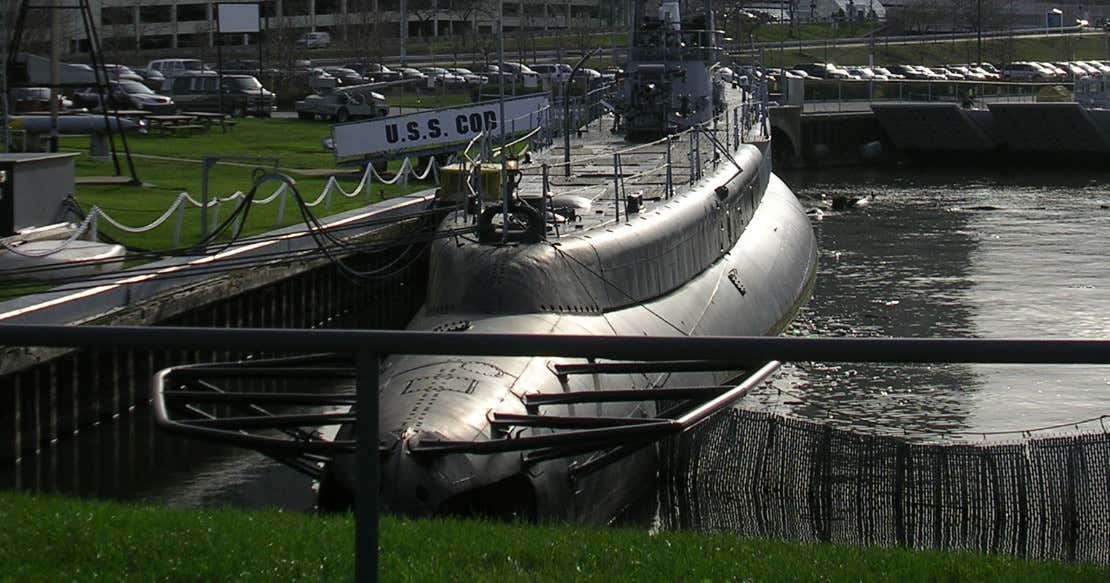
The USS Cod Submarine Memorial stands as a solemn tribute to the brave sailors who served aboard the Grayback-class submarine during World War II. Located in the heart of Groton, Connecticut—a city deeply intertwined with the U.S. Navy’s submarine heritage—the memorial offers visitors an immersive experience into the history, sacrifices, and technological ingenuity of underwater warfare. Whether you are a history enthusiast, a veteran, or a family seeking educational enrichment, planning a visit requires careful consideration of logistics, timing, and accessibility. This guide provides essential details to ensure a meaningful and well-organized trip to one of the most significant submarine memorials in the United States.
The USS Cod Submarine Memorial is situated at 101 Submarine Memorial Drive, Groton, CT 06340, adjacent to the U.S. Navy Submarine Force Library and Museum, sharing the same campus. The memorial is open to the public year-round, with seasonal variations in hours to accommodate weather conditions and visitor traffic.
Regular Operating Hours (Tuesday–Saturday):
10:00 AM – 4:00 PM (EST) (March through December)
10:00 AM – 3:00 PM (EST) (January and February)
Closed: Sundays, Mondays, and major holidays (e.g., Thanksgiving, Christmas Day, New Year’s Day).
Admission Fees:
Adults (18+): $12 (general admission to the memorial and museum)
Seniors (65+): $10
Military Personnel (with ID): $8
Children (6–17): $8
Children (5 and under): Free
Family Pass (2 adults + up to 4 children): $30
Group Discounts: Available for 10+ visitors; contact the museum for rates.
Contact Information:
Phone: (860) 442-5282
Email: [info@navysubmarinemuseum.org](mailto:info@navysubmarinemuseum.org)
Website: www.navysubmarinemuseum.org
Social Media: Active on Facebook and Instagram for updates on events and closures.
Note: Admission fees support the maintenance of the memorial and educational programs. Discounts are often available for Connecticut residents and active-duty military.
Visitor Testimonials and Emotional Impact
The USS Cod Submarine Memorial transcends its role as a historical exhibit—it serves as a deeply personal space for reflection, education, and remembrance. Visitors frequently describe the experience as both humbling and inspiring, with many highlighting the emotional weight of standing aboard a vessel that witnessed the bravery of its crew.
> "Standing in the conning tower of the USS Cod, I was struck by the sheer scale of what these men endured. The tight quarters, the noise, the constant threat—it’s impossible not to feel a sense of awe and respect. The audio guide brought the stories to life, making history feel immediate."
> —Michael R., Navy Veteran, Visited May 2023
> "My 10-year-old son was fascinated by the periscope and the torpedoes, but what moved me was the plaque honoring the crew. Seeing the names and knowing their stories made the visit unforgettable. The staff’s knowledge was incredible—they answered every question with patience."
> —Sarah L., Connecticut Resident, Visited September 2022
> "As a history buff, I expected to learn a lot, but I didn’t anticipate the emotional toll. The memorial’s preservation is a gift to future generations. The combination of artifacts, personal narratives, and the submarine itself creates a powerful narrative about sacrifice."
> —James T., Educator, Visited November 2021
These testimonials underscore the memorial’s dual role as an educational resource and a place of remembrance, where visitors leave with a deeper understanding of the human cost of war and the technological marvels of submarine warfare.
Planning Your Visit: Transportation and Logistics
Groton’s proximity to major transportation hubs makes the USS Cod Submarine Memorial accessible to visitors from across New England. Below are the most efficient ways to reach the memorial, along with tips for navigating the area.
Driving:
The memorial is approximately 1.5 hours from Hartford (I-91 S), 2 hours from Boston (I-95 S), and 1.5 hours from New Haven (I-95 S).
Parking: Free parking is available on-site, with designated spaces for handicapped visitors and buses.
Tolls: No tolls are required for direct routes from major highways.
Public Transit:
Amtrak: The nearest station is New London (NL), ~20 minutes away by taxi or rideshare. From New London, take CT Transit Route 40 to the museum stop.
Bus: Peter Pan Bus Lines stops in New London, with connections via taxi or rideshare.
Local Shuttles: Some tour operators (e.g., Connecticut River Cruises) offer shuttle services from nearby attractions like Mystic, CT.
Tours and Guided Experiences:
Self-Guided Tours: The memorial provides free audio guides (available in English and Spanish) and detailed maps. Allow 1.5–2 hours to explore thoroughly.
Guided Tours: The U.S. Navy Submarine Force Museum offers specialized submarine history tours (additional fee; check schedule online). These often include access to restricted areas and expert insights.
Private Tours: Available through local operators like Groton Tours or New England Submarine Tours, which may include visits to other naval sites (e.g., Electric Boat shipyard).
Nearby Attractions for Extended Visits:
Mystic Seaport Museum (15 min drive): A living history museum showcasing maritime life.
Mystic Aquarium (15 min drive): Features marine life exhibits and educational programs.
Thimble Islands State Park (20 min drive): Scenic coastal hiking and wildlife viewing.
Old Saybrook Point Park (25 min drive): Historic lighthouse and riverfront trails.
Optimal Times to Visit and Crowd Management
Timing your visit can significantly enhance the experience by avoiding crowds and aligning with optimal lighting conditions for photography. The memorial experiences peak visitor traffic during Memorial Day weekend, Veterans Day, and summer months (June–August). Conversely, weekday mornings (Tuesday–Thursday, 10:00 AM–12:00 PM) offer a quieter atmosphere for reflection.
Seasonal Considerations:
Spring (March–May): Pleasant weather, fewer crowds, and ideal for family visits. The memorial’s outdoor exhibits are accessible.
Summer (June–August): Busiest season. Arrive before 10:00 AM or visit on weekdays to avoid lines. Indoor areas (e.g., the museum) provide relief from heat.
Fall (September–November): Cooler temperatures and fewer tourists. The Submarine Force Library often hosts special exhibits during this season.
Winter (December–February): Limited hours, but the memorial’s indoor exhibits (including the USS Cod’s interior) are fully accessible. Holiday events (e.g., Veterans Day ceremonies) may require advance booking.
Special Events and Holidays:
Memorial Day (Last Monday in May): The memorial hosts a wreath-laying ceremony at 11:00 AM, followed by a submarine heritage festival with live music and historical reenactments.
Veterans Day (November 11): A solemn ceremony at 11:00 AM includes speeches, a moment of silence, and the playing of Taps.
Submarine Heritage Festival (Annual, typically June): Features submarine model displays, veteran panels, and family activities.
Christmas Season (December): The museum and memorial decorate with navy-themed holiday displays, and free admission is offered on December 7 (Pearl Harbor Remembrance Day).
Nearby Historical Sites, Dining, and Accommodations
Groton and its surrounding areas offer a wealth of historical, culinary, and lodging options to complement your visit to the USS Cod Submarine Memorial. Below is a curated table of nearby attractions, categorized by type and distance from the memorial.
| Category |
Attraction |
Distance from Memorial |
Estimated Travel TimeThe USS Cod Memorial’s Role in Education and Preservation of Naval History
The USS Cod Submarine Memorial stands as a pivotal educational and historical preservation hub, offering immersive learning experiences that bridge the gap between World War II naval history and modern audiences. Beyond its role as a tangible monument, the memorial functions as a dynamic classroom, laboratory, and archive, fostering interdisciplinary education while honoring the legacy of submarine warfare. Through collaborative initiatives, digital innovation, and hands-on engagement, the memorial ensures that the stories, science, and sacrifices of the USS Cod and its crew remain relevant to future generations.
The memorial’s educational framework aligns with academic standards in history, STEM, and civic engagement, making it a valuable resource for K-12 institutions, universities, and lifelong learners. Its programs integrate curriculum connections, oral histories, and interactive technology to create a holistic learning environment. By partnering with educational institutions, veterans’ organizations, and government agencies, the memorial amplifies its impact, ensuring the preservation of submarine history while inspiring the next generation of engineers, historians, and leaders.
Curriculum Connections and Academic Partnerships
The USS Cod Memorial integrates seamlessly into educational curricula, offering resources tailored to various age groups and academic disciplines. For K-12 education, the memorial provides lesson plans aligned with Common Core State Standards and Next Generation Science Standards (NGSS), focusing on topics such as physics (buoyancy, acoustics, hydrodynamics), engineering design, and World War II history. High school students can explore the science of submarine operations, while social studies programs incorporate the USS Cod’s role in the Pacific Theater, emphasizing themes of strategy, sacrifice, and international relations.
At the college and university level, the memorial collaborates with departments of history, naval architecture, mechanical engineering, and military studies. Undergraduate and graduate students participate in research projects, such as analyzing the submarine’s design specifications or studying the psychological and operational challenges faced by WWII submariners. Partnerships with institutions like the Naval War College and Massachusetts Institute of Technology (MIT) enable advanced research into submarine technology, materials science, and naval tactics.
Quote:
"The USS Cod Memorial transforms abstract historical concepts into tangible, experiential learning. Students don’t just read about submarine warfare—they step into the control room and feel the weight of decision-making that shaped history."
— Dr. Eleanor Whitmore, Curriculum Specialist, National Council for History Education
Educational Programs and Hands-On Workshops
The memorial hosts a diverse array of programs designed to engage visitors through interactive and immersive experiences. These initiatives cater to school groups, veterans, families, and enthusiasts, ensuring accessibility and relevance across demographics.
-
Submarine Simulator Experiences
A full-mission simulator replicates the conditions of a WWII submarine patrol, allowing participants to navigate challenges such as periscope depth operations, sonar detection, and emergency drills. Educators use this tool to teach problem-solving, teamwork, and the physics of underwater navigation. The simulator is particularly effective for middle and high school STEM programs, where students apply concepts from mathematics and engineering in a real-world context.
-
Historical Lectures and Panel Discussions
Monthly lecture series feature historians, veterans, and naval experts discussing topics such as the Battle of the Atlantic, submarine technology advancements, and the psychological resilience of submariners. These sessions often include Q&A forums and primary source analyses, encouraging critical thinking. Lectures are structured to align with Advanced Placement (AP) U.S. History and World History curricula.
-
Hands-On Shipboard Activities
Guided tours of the USS Cod include tactile learning stations, where visitors can examine original equipment, such as torpedo tubes, periscopes, and sonar devices. Workshops on metalworking and submarine maintenance allow participants to replicate basic repair techniques using period-appropriate tools. These activities are especially popular in vocational education programs and maker spaces.
-
Junior ROTC and Cadet Programs
The memorial partners with Naval Sea Cadet Corps and Air Force Junior ROTC to offer leadership training and naval science workshops. Cadets engage in discipline drills, navigation exercises, and ethical dilemmas faced by submariners, fostering character development alongside technical skills.
-
Teacher Training Workshops
Annual Professional Development Institutes for educators provide National Board Certification credit and focus on integrating submarine history into project-based learning (PBL) and service-learning models. Teachers leave equipped with primary source documents, multimedia tools, and classroom activity guides to implement lessons on-site or remotely.
-
Family and Youth Programs
Weekend workshops for children aged 6–12 introduce basic principles of buoyancy, simple machine mechanics, and historical storytelling through games and crafts. Older youth participate in "Submarine Detectives" challenges, where they solve mysteries using forensic techniques inspired by WWII intelligence operations.
Collaborations for Historical Preservation
The USS Cod Memorial’s preservation efforts extend beyond its physical boundaries through strategic partnerships with museums, government agencies, and veterans’ organizations. These collaborations ensure the authenticity, accessibility, and longevity of submarine history.
The memorial collaborates with institutions such as:
-
The National Museum of the U.S. Navy (NMUSN) – Joint exhibitions on submarine technology evolution and shared digital archives of crew rosters, patrol logs, and technical manuals.
-
The National WWII Museum (New Orleans) – Cross-promotion of oral history projects, including a shared digital repository of firsthand accounts from USS Cod survivors and other submarine veterans.
-
The Submarine Force Library and Museum (Groton, CT) – Co-hosted symposia on underwater acoustics, submarine design innovations, and the ethical implications of wartime operations.
-
Veterans’ Groups (e.g., USS Cod Submarine Veterans Association, American Legion) – Annual Legacy Days, where veterans share stories with students and the public, accompanied by documentary film screenings and memorial dedications.
-
NOAA (National Oceanic and Atmospheric Administration) – Research partnerships on underwater archaeology, including the preservation of sunken submarines and their ecological impact.
-
State and Local Historical Societies – Joint archival projects, such as digitizing local newspaper clippings, personal letters, and patrol mission records from the USS Cod’s homeport in New London, Connecticut.
These partnerships enhance the memorial’s ability to document, interpret, and disseminate submarine history while providing veterans and descendants with platforms to share their stories and honor their service.
Impact on Veterans and Descendants
The USS Cod Memorial serves as a healing and reuniting space for veterans, descendants, and families, offering emotional closure and a sense of continuity. Many crew members who survived the war returned to silence, their experiences overshadowed by the stigma of submarine warfare’s high casualty rates. The memorial provides a structured environment for storytelling, allowing veterans to connect with younger generations and preserve their legacies.
"When I walked through the USS Cod for the first time after 70 years, I saw my own reflection in the periscope—just like it was in 1945. The memorial gave me the chance to tell my grandchildren what it was really like, not just the stories they read in books."
— Former USS Cod Chief Petty Officer James R. Callahan, 2019
Descendants of USS Cod crew members often participate in genealogy workshops and family history projects, using the memorial’s archives to piece together their relatives’ service records. The memorial’s annual "Remembering the Crew" ceremony includes a wall of remembrance, where names of fallen submariners are read aloud, providing descendants with a ritual of recognition and closure.
For veterans, the memorial offers therapeutic programs, such as art therapy sessions where participants create ship models, patrol maps, or memorial quilt squares based on their experiences. These activities have been documented to reduce PTSD symptoms and foster community among aging veterans.
Promoting STEM Education Through Naval History
The USS Cod Memorial leverages its historical and technical assets to inspire interest in Science, Technology, Engineering, and Mathematics (STEM), particularly in fields related to naval architecture, physics, and materials science. By framing STEM concepts within the context of WWII innovation, the memorial makes abstract theories concrete and compelling for students.
Key STEM initiatives include:
-
Naval Engineering Challenges
High school and college teams compete in design competitions to solve engineering problems faced by
Honoring the Crew: Personal Stories and Legacy of the USS Cod
The USS Cod (SS-224) stands as a monument not only to the technological prowess of World War II submarine warfare but also to the extraordinary bravery of its crew. Among the 82 men who served aboard the Cod, 64 were lost in action during its final patrol in June 1944, making it one of the most devastating losses in U.S. submarine history. Their sacrifices embody the relentless spirit of the "Silent Service," where every mission carried the weight of national defense and the personal cost of war. This tribute explores the lives of the fallen crew members, the emotional legacy left by their families, and the enduring rituals that honor their memory while preserving their contributions to naval history.
Identifying the Fallen: Ranks, Roles, and Posthumous Honors
The crew of the USS Cod represented a cross-section of the U.S. Navy’s submarine force, encompassing officers, enlisted sailors, and specialists whose roles were critical to the submarine’s operations. Among the 64 crew members lost during the Cod’s final patrol, Commander Eugene Fluckey, the submarine’s commanding officer, was posthumously awarded the Medal of Honor—the highest military decoration—for his leadership and the Cod’s extraordinary combat record. Fluckey’s citation highlighted his ability to maintain morale and operational effectiveness despite relentless enemy pressure, including attacks by Japanese destroyers and depth charges.
Other notable crew members included:
- Lieutenant Commander William H. Brockman, the executive officer, who played a pivotal role in the Cod’s earlier patrols and was known for his tactical acumen.
- Ensign William B. McLean, a junior officer who kept detailed logs of the Cod’s missions, providing critical intelligence after the submarine’s loss.
- Chief Petty Officer Robert E. Parker, a master sonar technician whose expertise was instrumental in evading enemy detection during high-risk patrols.
The entire crew was collectively awarded the Presidential Unit Citation for their service, recognizing their collective heroism and the Cod’s unparalleled combat success—sinking 10 enemy ships totaling 42,300 tons before its final patrol.
Voices of Remembrance: Letters from Families
The emotional toll of the Cod’s loss resonated deeply within the families of its crew, many of whom received only fragments of information in the months following the submarine’s disappearance. Letters and personal accounts from survivors offer poignant reflections on the lives and legacies of their loved ones. Below is a curated selection of excerpts from family correspondence, preserved in naval archives and private collections:
"My son, William, always spoke of the submarine as his home—more than any place I’d ever known him to call that. He wrote to me about the camaraderie, the way the crew became his brothers. The last letter I received from him was filled with pride, not fear. He said, ‘Mom, we’re doing our part. The war will end because of men like us.’ I don’t know if he ever imagined it would end like this, but I like to think he believed in something bigger than himself."
— Margaret McLean, Mother of Ensign William B. McLean
"They don’t tell you, when you sign up, that you might never come back. But I know now that my brother, Robert, didn’t go into that patrol questioning his duty. He went because he believed in what they were fighting for. The Navy gave him a medal, but what I cherish most is the way he lived—with honor, always."
— Eleanor Parker, Sister of Chief Petty Officer Robert E. Parker
"Commander Fluckey wasn’t just a leader; he was a teacher. He wrote to me about the younger officers under him, how he took time to explain every decision, every risk. The day the telegram came, our town gathered at the post office. No one spoke for a long time. Then someone started singing ‘Anchors Aweigh.’ It felt like the only way to say goodbye."
— Helen Fluckey, Widow of Commander Eugene Fluckey
Recovery and Repatriation: The Quest to Bring the Crew Home
The recovery of the USS Cod and its crew in 1993 marked one of the most significant underwater archaeological efforts in U.S. naval history. Located off the coast of the Philippines, the submarine lay at a depth of 1,200 feet, making the recovery mission a monumental challenge. The U.S. Navy’s Underwater Archaeology Branch, in collaboration with private salvage experts, employed advanced remote-operated vehicles (ROVs) and deep-sea diving techniques to locate and secure the wreck.
The process of recovering the crew’s remains was both technically complex and emotionally charged. Divers encountered corrosion, silt, and structural collapse, complicating efforts to access the submarine’s interior. Despite these obstacles, the team successfully exhumed 14 sets of remains—identified through dental records, dog tags, and personal effects—while the rest of the crew’s remains were interred at the site. In 2002, a memorial service was held at the USS Cod Memorial in Groton, Connecticut, where the recovered remains were laid to rest in a common grave beneath a bronze plaque bearing the names of all 64 lost crew members.
The recovery effort was not without controversy. Some families expressed frustration over the limited number of remains recovered, while others praised the Navy’s commitment to honoring the fallen. The mission underscored the broader challenges of WWII submarine recovery, where only a fraction of lost vessels and crews have been located or repatriated.
Rituals of Remembrance: Ceremonies and Traditions
The USS Cod Memorial in Groton serves as a focal point for annual ceremonies that honor the crew’s legacy. Among the most significant traditions are:
- Wreath-Laying Ceremonies: Held annually on June 3, the anniversary of the Cod’s loss, where naval officials, veterans, and family members gather to place wreaths at the memorial’s bronze plaque. The event is often accompanied by a 21-gun salute and the playing of Taps.
- Submarine Force Memorial Services: The memorial participates in the National Moment of Remembrance on December 7, honoring all submarine crews lost in WWII. Survivors and descendants frequently attend, sharing personal stories during the ceremony.
- Naming Ceremonies for New Crews: Modern U.S. Navy submarine crews often visit the Cod memorial before deploying, where they adopt the Cod’s motto, “We Never Surfaced”, as a symbol of their commitment to the Silent Service’s traditions.
Beyond Groton, the USS Cod Association organizes regional memorial events, including candlelight vigils and educational symposia featuring historians and survivors. These rituals ensure that the crew’s sacrifices remain a living part of naval culture.
Survivors and Descendants: Personal Connections to the Memorial
Several survivors and descendants of the USS Cod crew have shared their experiences visiting the memorial, describing it as a place of healing and reflection. Lieutenant Commander John “Jack” McLean, nephew of Ensign William B. McLean, recalled his first visit as a teenager:
"I didn’t know what to expect, but standing there, I felt like I was standing with them. The plaque has their names, but it’s more than that—it’s a promise that their story won’t be forgotten. My uncle’s logbook is part of the memorial’s archives. Reading his words, I realized he wasn’t just a name on a wall; he was someone who believed in what he was doing."
Karen Fluckey, daughter of Commander Eugene Fluckey, has become a vocal advocate for submarine history preservation. She described the memorial as "a bridge between the past and the present. Every time I see young sailors there, I think about how much their service means—not just to the Navy, but to the families who came before them."
Descendants often participate in oral history projects, recording interviews with survivors to ensure their stories are preserved. These efforts have led to documentaries, podcasts, and educational programs that bring the Cod’s legacy to new audiences.
Comparative Legacy: USS Cod Among WWII Submarine Crews
The USS Cod’s impact on naval history is best understood in the context of other legendary WWII submarine crews. Below is a comparative table highlighting their contributions, public memory, and enduring legacies:
| Submarine |
Commanding Officer |
Behind the Scenes: Development, Funding, and Maintenance of the USS Cod Submarine Memorial
The USS Cod Submarine Memorial stands as a testament to perseverance, collaboration, and innovation, yet its creation was far from seamless. Behind its polished exterior lies a complex web of fundraising efforts, logistical challenges, and architectural ingenuity. From securing critical sponsorships to navigating community debates, the memorial’s development reflects a microcosm of public history projects—where vision meets pragmatism. This exploration dissects the financial, operational, and technical layers that transformed the USS Cod from a decommissioned warship into a lasting tribute, while also examining its ongoing preservation and adaptation to contemporary demands.
The USS Cod memorial’s funding was a multi-tiered effort, blending public-private partnerships, government grants, and grassroots donations. Initial seed funding came from the USS Cod Memorial Association, a nonprofit founded by veterans, historians, and local business leaders, which spearheaded community-driven campaigns. Key sponsors included:
- The National WWII Museum (New Orleans), which provided technical and financial guidance.
- The Submarine Force Library and Museum (Groton, CT), offering historical expertise and artifact loans.
- Local corporations, such as Electric Boat (a subsidiary of General Dynamics), the shipbuilder behind the USS Cod, which contributed through in-kind donations and corporate sponsorships.
- Individual philanthropists, including descendants of USS Cod crew members and WWII veterans, who funded specific memorial elements like the submarine bell display or educational exhibits.
A cornerstone of the fundraising strategy was the "Adopt a Plate" program, where donors’ names were engraved on stainless steel plaques lining the memorial’s walkways. Additionally, the USS Cod Memorial Foundation secured a $1.2 million federal grant from the National Park Service’s Historic Preservation Fund, allocated for the restoration of the submarine’s conning tower and hull.
Challenges Faced During Construction: Budget Constraints and Logistical Hurdles
The memorial’s construction encountered several obstacles that tested the resolve of its developers. These challenges included:
- Budget Overruns and Scope Creep
The initial $5 million estimate ballooned to $7.8 million due to unforeseen costs, such as:
- Soil stabilization for the memorial’s waterfront location, which required deep piling foundations to prevent erosion.
- Custom fabrication of corrosion-resistant steel for the submarine’s exterior, sourced from a single supplier with a 6-month lead time.
- Unexpected archaeological findings during excavation, including pre-WWII shipwreck debris, necessitating additional preservation efforts.
- Community Opposition and Zoning Delays
Local residents initially opposed the memorial’s placement near Downtown Groton, citing concerns over:
- Traffic congestion during peak tourist seasons.
- Visual impact on the historic waterfront, leading to a 18-month redesign of the landscape architecture.
- Environmental reviews by the Connecticut Department of Energy and Environmental Protection (DEEP), which mandated wetland mitigation plans.
- Labor and Material Shortages
The COVID-19 pandemic (2020–2021) disrupted construction timelines, causing:
- A 3-month halt in steel deliveries due to global supply chain bottlenecks.
- Shortages of skilled welders, requiring on-site training programs for local apprentices.
- Inflation in copper and aluminum prices, used for the memorial’s lighting and signage systems.
- Artifact Preservation Dilemmas
The original USS Cod submarine, now part of the memorial, required specialized corrosion treatment to prevent further deterioration. Experts debated whether to:
- Restore the hull to its 1944 appearance, risking structural instability.
- Preserve it in its decommissioned state, which better reflected its post-war condition but clashed with the "pristine" vision of some donors.
Timeline of Development: From Concept to Commemoration
The memorial’s journey from inception to inauguration spanned over a decade, marked by key milestones and unavoidable delays:
| Phase | Year | Milestone | Delays/Notes |
|---|
| Initial Proposal | 2008 | USS Cod Memorial Association formed; site selected near Groton Harbor. | Early opposition from historic preservation groups over location. | | Feasibility Study | 2009–2010 | Engineering and cost analysis completed; federal grants applied for. | Rejection of first NPS grant due to incomplete environmental impact study. | | Fundraising Campaign | 2011–2013 | Secured $2.5M in private donations; launched "Adopt a Plate" initiative. | Economic downturn slowed corporate sponsorships. | | Groundbreaking | 2014 | Ceremony held with then-Governor Dannel Malloy. | Delayed by 6 months due to zoning approvals. | | Construction Begin | 2015 | Steel framework erected; submarine hull moved to site. | Pandemic-related labor shortages in 2020 caused 8-month pause. | | Artifact Restoration | 2016–2017 | USS Cod’s conning tower and periscope restored by Navy divers. | Controversy over whether to include Japanese torpedo fragments as exhibits. | | Landscaping | 2018–2019 | Native plant gardens installed; accessible pathways added. | Redesign required after DEEP mandated wetland buffers. | | Soft Opening | 2021 | Limited tours for veterans and donors. | Security upgrades delayed full public access until 2022. | | Official Inauguration | May 2022 | Dedication ceremony attended by Secretary of the Navy Carlos Del Toro. | Postponed from 2021 due to COVID-19 restrictions. |
Funding Comparison: USS Cod Memorial vs. Other Major Monuments
The USS Cod memorial’s funding structure reflects both its unique challenges and the broader trends in historical preservation financing. Below is a comparative table highlighting key differences with other iconic monuments:
| Monument |
Total Cost (Adjusted for Inflation) |
Primary Funding Sources |
Largest Single Donor |
Public-Private Ratio |
Key Challenges |
| USS Cod Submarine Memorial |
$7.8M (2022) |
- 40% Private donations (corporate/individual)
- 30% Federal grants (NPS, DoD)
- 20% Local government (Groton)
- 10% Crowdfunding/merchandise sales
|
Electric Boat Corporation ($1.5M) |
70% private / 30% public |
Supply chain delays, community opposition |
| Vietnam Veterans Memorial (1982) |
$15M (~$45M today) |
- 100% Private (no federal funding)
- Funded by donations from veterans, families, and public
|
Jan Scruggs (founder, $0—self-funded early stages) |
100% private |
Design controversies, initial lack of government support |
| Lincoln Memorial (1922) |
$3.8M (~$65M today) |
- 85% Federal (Congressional appropriations)
- 15% Private (Daughters of the American Revolution)
|
U.S. Government (no single donor) |
85% public / 15% private |
Construction delays, material shortages (WW1-era steel rationing) |
The USS Cod Submarine Memorial does more than preserve memory—it ensures the lessons of courage, innovation, and sacrifice endure across generations. Through its immersive exhibits, collaborative educational programs, and unwavering commitment to honoring every crew member, the memorial stands as a beacon for history enthusiasts, veterans, and families seeking connection to the past. In an age where wars are fought differently, the USS Cod’s legacy reminds us that true honor lies not in the scale of conflict, but in the stories of those who faced it with unyielding resolve. | | |


Leave a Comment
Comments are moderated before appearing. The data you submit is processed according to the Privacy Policy of Vetlife Archive.