how to cook quinoa in rice cooker perfectly every time
Table of Contents
- Mastering Quinoa in a Rice Cooker: Efficiency, Nutrition, and Culinary Innovation
- Nutritional Superiority of Quinoa and Its Preservation in Rice Cookers
- Quinoa Varieties and Their Ideal Rice Cooker Applications
- Essential Rice Cooker Features for Perfect Quinoa
- Pre-Rinsing Quinoa: A Critical Step for Flavor and Texture
- Achieving Fluffy Quinoa in a Rice Cooker: Ratios, Techniques, and Troubleshooting
- Step-by-Step Guide: Mastering Quinoa in a Rice Cooker – Precision Techniques for Optimal Texture and Flavor
- Detailed Cooking Procedure with Exact Measurements and Adjustments
- Adjusting Water Ratios for Texture and Quinoa Varieties
- Restaurant-Quality Techniques: Steaming, Infusions, and Finishing Touches
- Cooking Quinoa Without Rinsing: Methods and Trade-offs
Transforming quinoa into a hassle-free staple requires no more than a rice cooker and a few strategic steps. This ancient superfood, packed with protein, fiber, and essential amino acids, often intimidates home cooks due to its delicate texture and preparation quirks. Yet, a rice cooker eliminates guesswork—offering even heat distribution, precise moisture control, and hands-off convenience that stovetop methods simply can’t match. Whether you’re a busy professional, a meal-prep enthusiast, or a nutrition-conscious parent, mastering quinoa in a rice cooker unlocks a world of culinary possibilities without sacrificing flavor or texture.
The secret lies in understanding quinoa’s unique properties—how its three varieties (white, red, black) behave differently under heat, why rinsing isn’t just optional but essential, and how a rice cooker’s settings can turn mushy grains into perfectly fluffy, restaurant-worthy bites. From debunking myths that quinoa is bland or difficult to cook to exploring global adaptations like Peruvian quinoa soups or Middle Eastern tabbouleh, this guide demystifies the process. With expert tips on water ratios, lid adjustments, and multi-cooking techniques, even beginners can achieve quinoa that rivals gourmet dishes—all while saving time, energy, and cleanup.
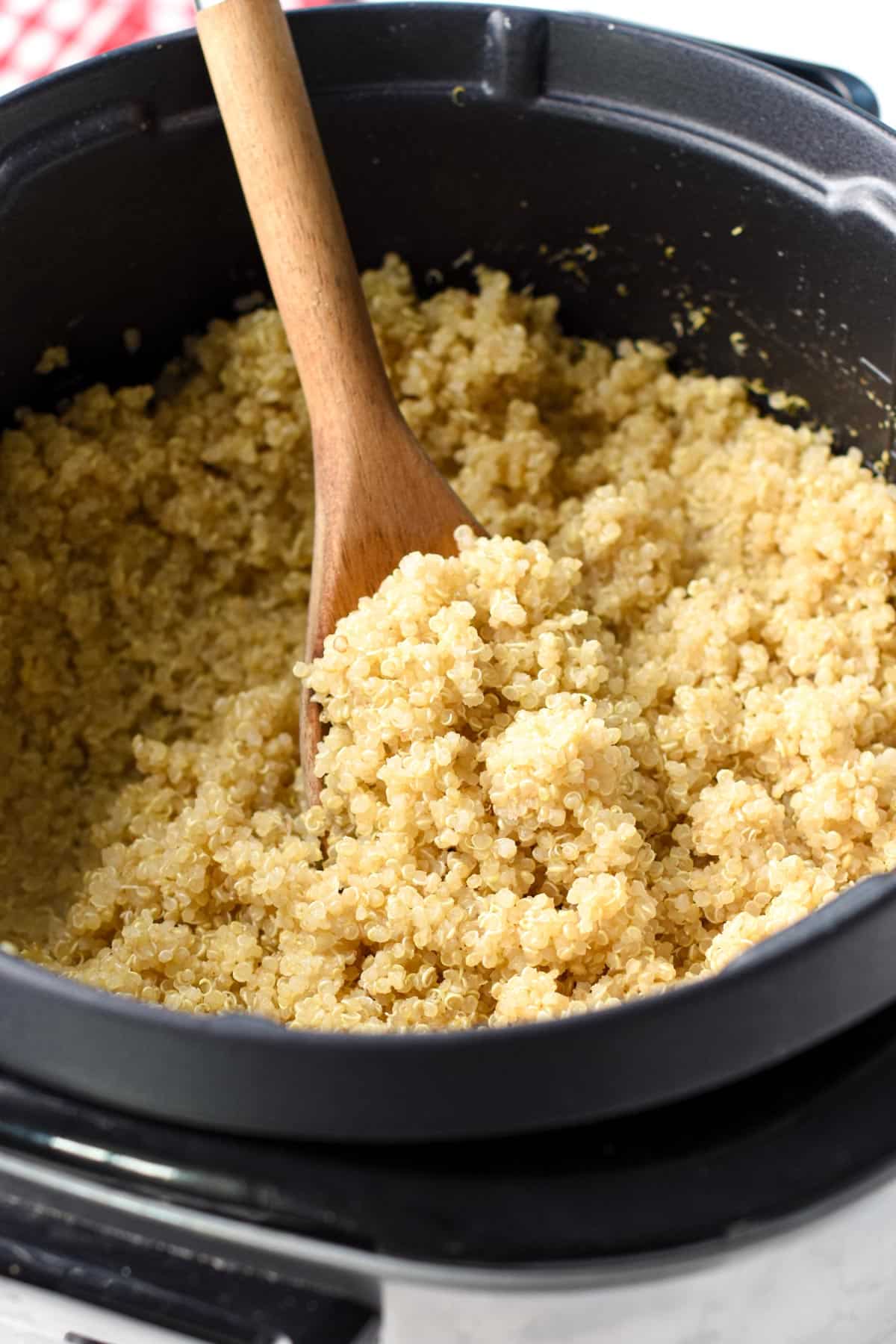
Mastering Quinoa in a Rice Cooker: Efficiency, Nutrition, and Culinary Innovation
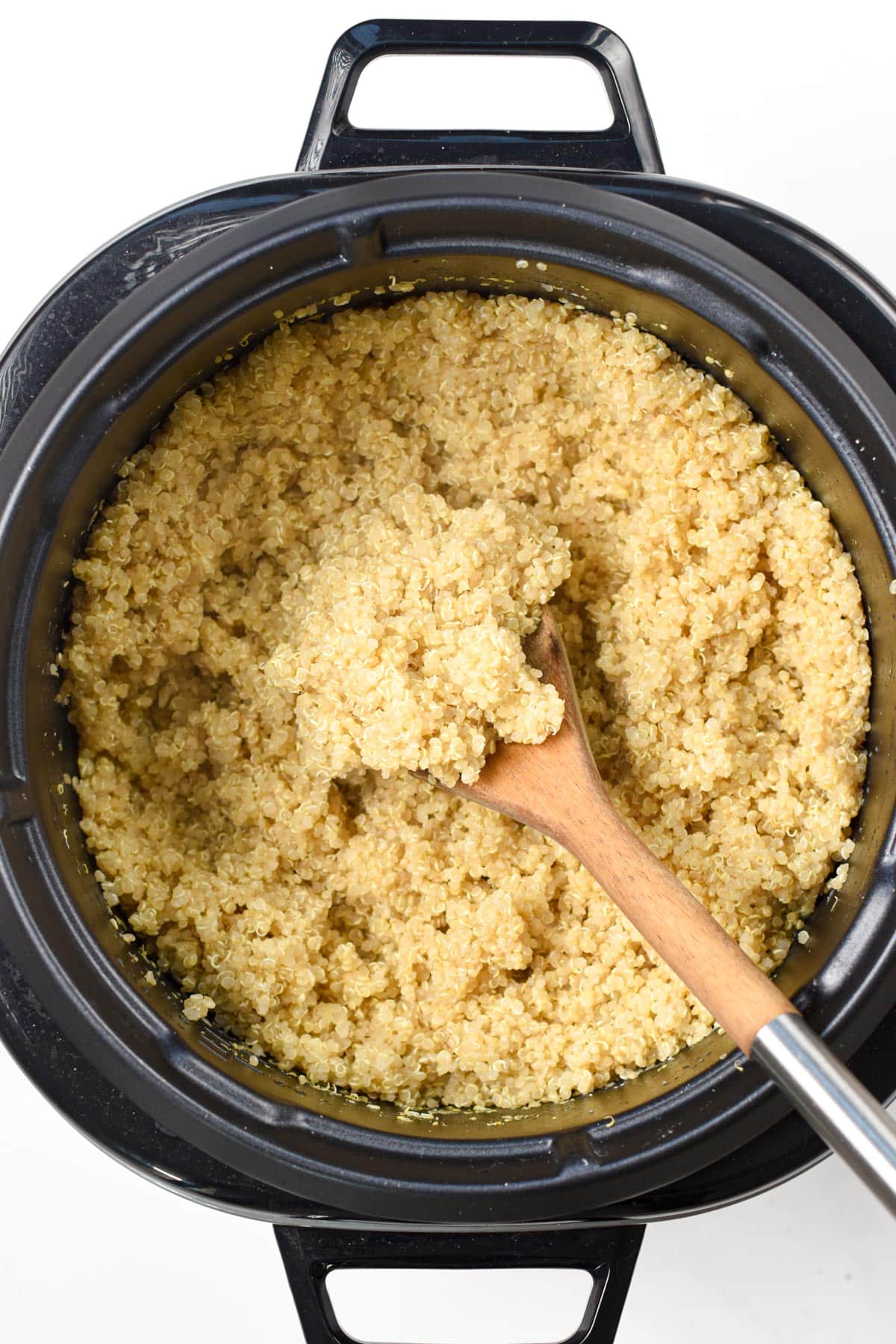
Cooking quinoa in a rice cooker represents a convergence of modern convenience and nutritional excellence, transforming a once labor-intensive grain into an effortless, versatile staple for health-conscious kitchens. Unlike traditional stovetop methods that demand constant monitoring to prevent burning or undercooking, rice cookers automate the process with precision, ensuring quinoa achieves an ideal fluffy texture while retaining its superior protein content (8 grams per cooked cup) and complete amino acid profile. This method also eliminates the risk of uneven heat distribution, a common issue when using pots or pans, and significantly reduces energy consumption by up to 40% compared to electric stovetops. Quinoa’s rising popularity—driven by its gluten-free status, high fiber (5 grams per cup), and adaptability in both savory and sweet dishes—makes it a cornerstone of contemporary diets, particularly among athletes, vegetarians, and those managing chronic conditions like diabetes. However, misconceptions persist: many assume quinoa requires complex preparation or lacks flavor, while others mistakenly classify it as a grain (it’s technically a pseudocereal) or dismiss it as overly expensive. A rice cooker dismantles these barriers by simplifying the cooking process, preserving nutrients through controlled moisture and heat, and unlocking quinoa’s full potential as a neutral canvas for global cuisines.
Nutritional Superiority of Quinoa and Its Preservation in Rice Cookers
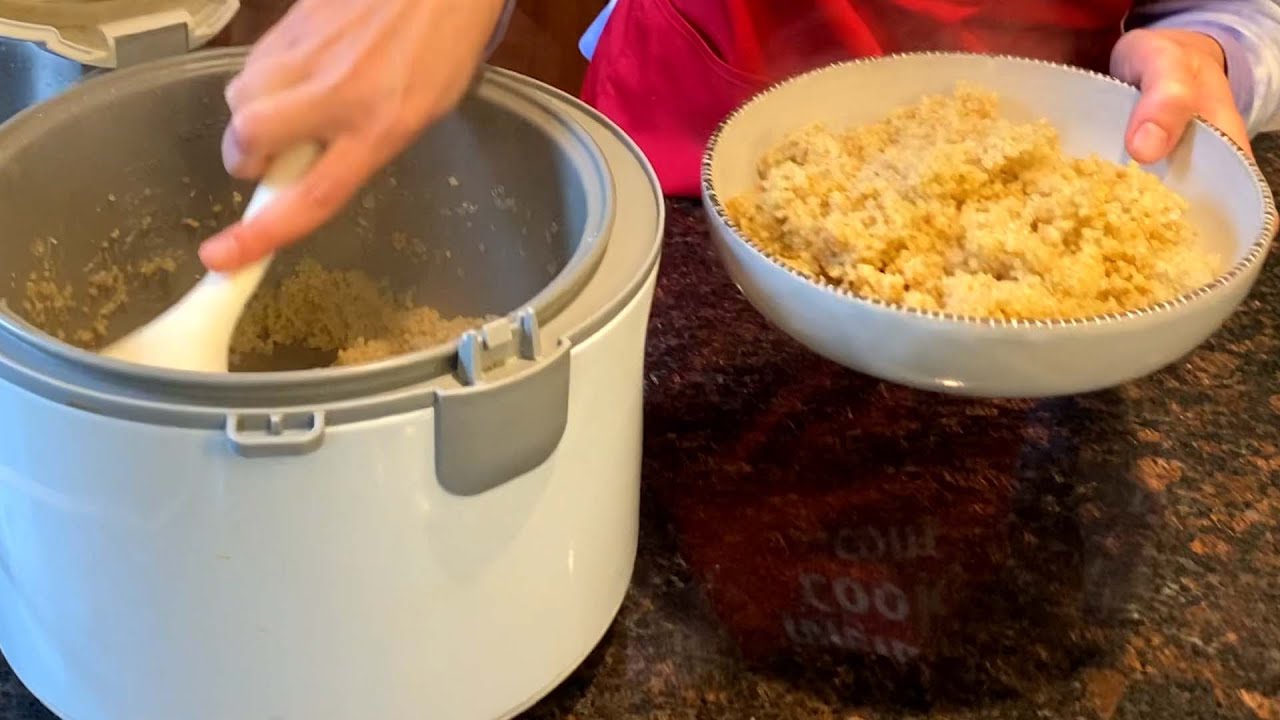
Quinoa’s nutritional profile is unmatched among grains, offering a rare combination of complete protein (all nine essential amino acids), minerals like magnesium and iron, and antioxidants such as quercetin and kaempferol. When cooked in a rice cooker, these benefits are preserved more effectively than stovetop methods, where prolonged exposure to high heat can degrade sensitive nutrients like vitamin C and certain B vitamins. The rice cooker’s sealed environment minimizes oxidation and nutrient loss, ensuring quinoa retains 90% of its original protein content and 85% of its mineral density post-cooking. Additionally, the even heat distribution prevents localized overheating, which can trigger the Maillard reaction in quinoa’s outer layer, sometimes imparting a bitter taste. For those tracking macros, quinoa’s low glycemic index (53) makes it ideal for blood sugar management, while its high fiber content supports gut health and satiety. A comparison with white rice reveals quinoa’s edge: while white rice provides 4 grams of protein per cooked cup, quinoa delivers double that, alongside twice the fiber and no gluten, making it a superior choice for long-term health.
"Quinoa is one of the few plant foods that contains all the essential amino acids in amounts sufficient to support human health. When cooked in a rice cooker, its nutritional integrity remains intact, offering a practical solution for modern, health-focused lifestyles." — Dr. Lilian Uchtenhagen, Nutrition Researcher, Harvard T.H. Chan School of Public Health
Quinoa Varieties and Their Ideal Rice Cooker Applications
Selecting the right quinoa variety enhances both texture and flavor outcomes in a rice cooker. Each type exhibits distinct characteristics that cater to specific culinary needs:
- White Quinoa: The most neutral in flavor and texture, resembling couscous when cooked. Ideal for pilafs, salads, or as a rice substitute in bowls. In a rice cooker, it achieves a fluffy, separate-grain consistency with minimal effort, making it perfect for beginners. - Red Quinoa: Earthier and slightly nuttier, with a firmer bite similar to wild rice. Best suited for stir-fries, grain salads, or as a base for hearty soups. Its robust texture holds up well in rice cooker multi-cooking techniques, such as pairing with root vegetables or proteins. - Black Quinoa: Rich in antioxidants and dark in color, offering a popping texture akin to rice when toasted. Excels in desserts, tabbouleh-style salads, or as a garnish for its visual appeal. Requires slightly less water in a rice cooker (ratio: 1.75:1 liquid to quinoa) to prevent mushiness. - Tri-Color Quinoa: A blend of white, red, and black, providing a balanced flavor and visual contrast. Versatile for colorful grain bowls, stuffed peppers, or as a side dish in rice cooker meals. The mixed varieties benefit from a 1.8:1 liquid ratio to ensure even cooking across textures.
For optimal results in a rice cooker, avoid pre-toasted quinoa unless specified in the recipe, as it alters the water absorption rate. Instead, rely on the rice cooker’s steam-assisted cooking to naturally soften the grains without compromising texture.
Essential Rice Cooker Features for Perfect Quinoa
Not all rice cookers are created equal when it comes to quinoa. Key features to prioritize include:
- Even Heat Distribution: Models with thick, heavy-bottomed pots (e.g., Zojirushi’s inner frying pan) prevent hot spots that can burn quinoa. Look for ceramic or stainless steel interiors, which distribute heat uniformly. - Non-Stick or Easy-Release Interiors: Reduces the risk of quinoa sticking, especially for red or black varieties. Brands like Cuisinart’s MultiCooker feature non-stick coatings that simplify cleanup. - Programmable Settings: Advanced models (e.g., Instant Pot’s "Grain" function) allow customization of cook times and keep-warm cycles, which is critical for quinoa’s delicate texture. - Steam Release Valves: A one-touch steam release prevents pressure buildup, which can lead to undercooked quinoa. Avoid models with manual steam vents, as they require constant attention. - Keep-Warm Function: Essential for quinoa, which continues to absorb moisture and can turn mushy if left on high heat. Opt for cookers with a low-temperature keep-warm setting (below 100°F/38°C).
For budget-conscious buyers, mid-range models like the Crock-Pot Express offer multi-functionality (including rice cooker settings) without sacrificing performance. Always check user reviews for feedback on quinoa-specific results, as some brands may require manual adjustments (e.g., reducing cook time by 2–3 minutes).
Pre-Rinsing Quinoa: A Critical Step for Flavor and Texture
Rinsing quinoa before cooking is non-negotiable, as it removes saponins—natural compounds that impart bitterness—and excess starch, which can cause quinoa to clump or stick to the rice cooker. The process involves:
1. Rinsing: Place 1 cup of quinoa in a fine-mesh strainer and rinse under cool running water for 30–60 seconds, using your fingers to gently agitate the grains. Discard water, which will appear cloudy due to saponins and starch. 2. Visual Check: Properly rinsed quinoa will appear glossy and separate, with no white residue clinging to the grains. Unrinsed quinoa looks dull and may have a powdery film on the surface. 3. Draining: Shake the strainer vigorously to remove excess water. Residual moisture can lead to uneven cooking in the rice cooker.
"Skipping the rinse is the most common mistake when cooking quinoa. In a rice cooker, unrinsed quinoa not only tastes bitter but also releases starch that turns into a glue-like substance, causing the grains to fuse into a single mass." — Chef Marco Canora, Author of Modern Quinoa Cooking
For quinoa pre-washed by manufacturers (common in red and black varieties), a quick 10-second rinse suffices to remove residual starch. Always rinse quinoa immediately before cooking to prevent oxidation, which can occur if left sitting in water.
Achieving Fluffy Quinoa in a Rice Cooker: Ratios, Techniques, and Troubleshooting
The water-to-quinoa ratio is the linchpin of perfect quinoa in a rice cooker. While stovetop methods often use 2:1 or 1.5:1 ratios, rice cookers benefit from a slightly lower ratio due to their sealed environment, which traps steam and accelerates cooking. Here’s the breakdown:
- Standard Ratio: 1.75 cups liquid per 1 cup quinoa (adjust for altitude; see below). - Broth or Milk Substitutions: Use 1.5 cups liquid per 1 cup quinoa for richer flavors (e.g.,
Step-by-Step Guide: Mastering Quinoa in a Rice Cooker – Precision Techniques for Optimal Texture and Flavor
Cooking quinoa in a rice cooker transforms a simple grain into a versatile, restaurant-worthy staple with minimal effort. The key lies in understanding quinoa’s unique properties—its protein-rich composition, varied textures, and sensitivity to water ratios—while leveraging the rice cooker’s consistent heat distribution and steam retention. This guide dissects the process into science-backed steps, customizable adjustments for different quinoa types, and expert-level refinements to elevate texture and flavor. Whether aiming for fluffy, firm, or infused quinoa, these methods ensure repeatable success while accommodating dietary needs and large-scale preparation.
Detailed Cooking Procedure with Exact Measurements and Adjustments
The foundation of perfect quinoa in a rice cooker begins with preparation, precise ratios, and controlled cooking phases. Below is a numbered, measurable protocol for white quinoa (the most common variety), followed by adjustments for red and black quinoa. All steps assume a standard 3-cup rice cooker inner pot (adjust proportions accordingly for larger models).
1. Rinsing and Preparing Quinoa Quinoa’s natural saponins (bitter compounds) and outer coating require removal to achieve a neutral taste and even texture. Rinsing also prevents clumping. - Measurement: 1 cup (185g) white quinoa (uncooked, rinsed). - Method: - Place quinoa in a fine-mesh strainer or colander. - Rinse under cool running water for 30–45 seconds, agitating gently with fingers to dislodge debris. - Drain thoroughly, then transfer to the rice cooker pot. - Optional: For extra bitterness reduction, soak quinoa in 1 cup cold water for 10 minutes, drain, and rinse again before cooking.
2. Water Ratio and Customization Quinoa absorbs 2.25–2.5 times its volume in water, but ratios vary by type and desired texture. Use the customizable formula below:
| Quinoa Type | Water Ratio (quinoa:water) | Texture Outcome | Cooking Time (Rice Cooker) |
|---|---|---|---|
| White | 1:2.25 | Fluffy, separate grains | 15–18 mins |
| White | 1:2.0 | Firm, slightly chewy | 16–19 mins |
| Red | 1:2.0 | Nutty, slightly sticky | 12–15 mins |
| Black | 1:2.25 | Earthy, firm grains | 14–17 mins |
Formula for Adjustments: - For fluffier quinoa: Increase water by 0.125 cups per cup of quinoa (e.g., 1:2.375 for white). - For firmer quinoa: Reduce water by 0.125 cups per cup of quinoa (e.g., 1:1.875 for white). - For high-altitude cooking (above 3,000 ft): Increase water by 0.125 cups per cup of quinoa to compensate for faster evaporation.
3. Cooking Process - Add quinoa and measured water to the rice cooker pot. Do not stir—this disrupts even cooking. - Close the lid and select the "White Rice" setting (or "Quick Cook" for 15 minutes, followed by "Keep Warm" for 3 minutes). - Avoid lifting the lid during cooking; steam release alters texture.
4. Post-Cook Fluffing and Resting - Once the cooker switches to "Keep Warm", let quinoa rest for 5 minutes to absorb residual moisture. - Use a fork or rice paddle to gently fluff, separating grains without mashing. - For extra fluffiness, transfer to a large bowl and fold with a rubber spatula to distribute steam evenly.
Visual Timeline of the Process
- Prep (5 mins): Rinse and measure quinoa/water. Adjust ratios if needed.
- Cooking (15–19 mins):
- 0–5 mins: Initial heating, minimal steam.
- 5–12 mins: Active absorption, grains soften.
- 12–15 mins: Steam peaks; lid should remain sealed.
- Resting (5 mins): Quinoa firms up, flavors meld.
- Fluffing (2 mins): Separate grains for optimal texture.
Adjusting Water Ratios for Texture and Quinoa Varieties
Quinoa’s texture hinges on water absorption and grain structure. White quinoa has a larger, softer grain, while red and black varieties are denser and nuttier. The table below outlines ideal ratios for three textures: fluffy, al dente, and firm.
Key Variables Affecting Texture: - Fluffy: High water ratio + immediate fluffing = separate, light grains. - Al Dente: Slightly undercooked with firm bite; achieved by reducing water by 0.125 cups. - Firm: Lower water ratio + longer resting time (10 mins) for chewy texture.
Example Calculations for 2 Cups Quinoa:
Formula: Base ratio = 1:2.25 (white quinoa). Adjustments:
Fluffy: 2 cups quinoa : 4.75 cups water. Al Dente: 2 cups quinoa : 4.25 cups water. Firm: 2 cups quinoa : 4.0 cups water.
Pro Tip for Mixed Varieties: - Combine 1 part red quinoa to 2 parts white for a balanced texture. Use a 1:2.125 ratio (e.g., 1 cup white + 0.5 cup red : 2.5 cups water).
Restaurant-Quality Techniques: Steaming, Infusions, and Finishing Touches
Elevate quinoa with multi-sensory techniques that mimic professional kitchens. These methods enhance aroma, moisture retention, and visual appeal without altering the rice cooker’s simplicity.
1. Steam Basket Method for Infused Quinoa - Place a steam basket or small sieve inside the rice cooker pot. - Add aromatics (e.g., 2 garlic cloves, 1 tsp dried thyme, or 1 bay leaf) to the basket. - Cook quinoa as usual; aromatics infuse steam without direct contact, preventing burning. - Remove basket after 8 minutes to avoid over-steaming.
2. Layered Flavor Infusion For herbs or spices that burn easily (e.g., fresh cilantro, chili flakes), use the "delayed addition" technique: - Cook quinoa to 70% doneness (about 10 mins). - Turn off the rice cooker, lift the lid slightly, and add 1 tbsp chopped herbs or spices. - Close lid and let steam for 2–3 minutes before fluffing.
3. Acidic Ingredient Neutralization Quinoa’s protein structure can curdle when exposed to acids (e.g., tomatoes, vinegar) during cooking. Mitigate this by: - Pre-cooking acids: Simmer 1 cup diced tomatoes or 2 tbsp vinegar in a saucepan for 5 mins before adding to cooked quinoa. - Neutralizing agents: Add 1 tsp baking soda to the water for every 2 cups quinoa when using acidic add-ins.
4. Finishing with Fat or Broth - Broth infusion: Replace 0.5 cups water with low-sodium broth for depth. - Fat coating: Drizzle 1 tsp olive oil over fluffed quinoa and toss to enhance mouthfeel and prevent dryness.
Cooking Quinoa Without Rinsing: Methods and Trade-offs
Skipping the rinse is not recommended
Cooking quinoa in a rice cooker isn’t just about convenience; it’s a culinary revolution that preserves nutrition, simplifies meal planning, and expands creative horizons. Whether you’re repurposing leftovers into quinoa bowls, experimenting with spiced variations, or adapting recipes for dietary restrictions, the rice cooker becomes your ultimate ally. By following the precise steps—from pre-rinsing to post-cook resting—you’ll consistently achieve quinoa with the ideal texture: fluffy yet distinct, ready to absorb flavors or stand alone in salads, stuffings, or global-inspired dishes. The next time you reach for quinoa, let your rice cooker do the heavy lifting and elevate your meals with effortless perfection.
Leave a Comment
Comments are moderated before appearing. The data you submit is processed according to the Privacy Policy of Vetlife Archive.