Stone Mountain Arts Center Shapes Atlanta s Creative Legacy
Table of Contents
- Overview of Stone Mountain Arts Center: A Cultural Landmark in Atlanta’s Creative Landscape
- Historical Background and Evolution
- Architectural and Artistic Design Elements
- Key Milestones in Stone Mountain Arts Center’s History
- Role as a Hub for Traditional and Contemporary Arts
- Comparison with Other Georgia Cultural Institutions
- Arts Programming and Exhibitions: A Deep Dive into Stone Mountain Arts Center’s Creative Vision
- Annual Calendar of Events and Thematic Focus
- Diverse Art Forms and Standout Productions
- Exhibition Comparison: Medium, Artist Background, and Audience Engagement
- Artist and Curator Selection Process
- Community Engagement and Accessibility Initiatives at Stone Mountain Arts Center
- Outreach Programs and Financial Accessibility
- Partnerships Expanding Arts Education
- Testimonials Highlighting Community Impact
- Representation and Local Storytelling
- Accessibility for People with Disabilities
- Evolution of Engagement Strategies
- Preserving Regional Folklore and Traditions
- Engaging Marginalized Communities Through Artistic Platforms
- Digital Accessibility and Remote Participation
- Notable Artists and Collaborations: Spotlight on Creatives Shaping Stone Mountain Arts Center’s Legacy
- Renowned Artists and Their Contributions to Global and Local Art Worlds
- Biographical Sketches of Key Artists Associated with Stone Mountain Arts Center
- High-Profile Collaborations with Cultural Institutions
- Interdisciplinary Collaborations: Merging Visual Arts with Music, Theater, and Technology
- Behind the Scenes: Operations and Sustainability at Stone Mountain Arts Center
- Organizational Structure and Daily Operations
- Funding Sources and Financial Sustainability
- Decision-Making Flowchart for Exhibitions and Programs
- Sustainability Practices and Eco-Friendly Initiatives
- Visitor Management and Crowd Control Strategies
- Technological Tools and Software for Operational Efficiency
- Visiting Stone Mountain Arts Center: A Practical Guide
- Planning Your Visit: Hours, Admission, and Crowd Management
- Must-See Exhibitions, Performances, and Installations
- Accessibility Features for All Visitors
- Amenities and Nearby Attractions
- Photography, Policies, and Personal Items
- Navigating SMAC’s Digital Platforms
- Family-Friendly Features and Youth Engagement
- Maximizing Your Visit: Guided Tours and Unique Experiences
Nestled against the iconic granite face of Stone Mountain, the Stone Mountain Arts Center stands as a testament to Georgia’s vibrant cultural evolution. Since its inception, the center has transcended its role as a mere gallery, becoming a dynamic force that bridges tradition and innovation in the arts. Its architecture, blending modern functionality with historical reverence, mirrors the institution’s commitment to preserving heritage while pushing creative boundaries.
The center’s influence extends beyond its walls, shaping Atlanta’s artistic identity through groundbreaking exhibitions, collaborations with global talents, and initiatives that democratize access to culture. From the intricate carvings of its exterior to the immersive indoor spaces designed for sensory exploration, every element reflects a deliberate effort to inspire, educate, and unite. Here, classical masterpieces coexist with cutting-edge digital installations, offering visitors a multifaceted journey through time and imagination.

Overview of Stone Mountain Arts Center: A Cultural Landmark in Atlanta’s Creative Landscape
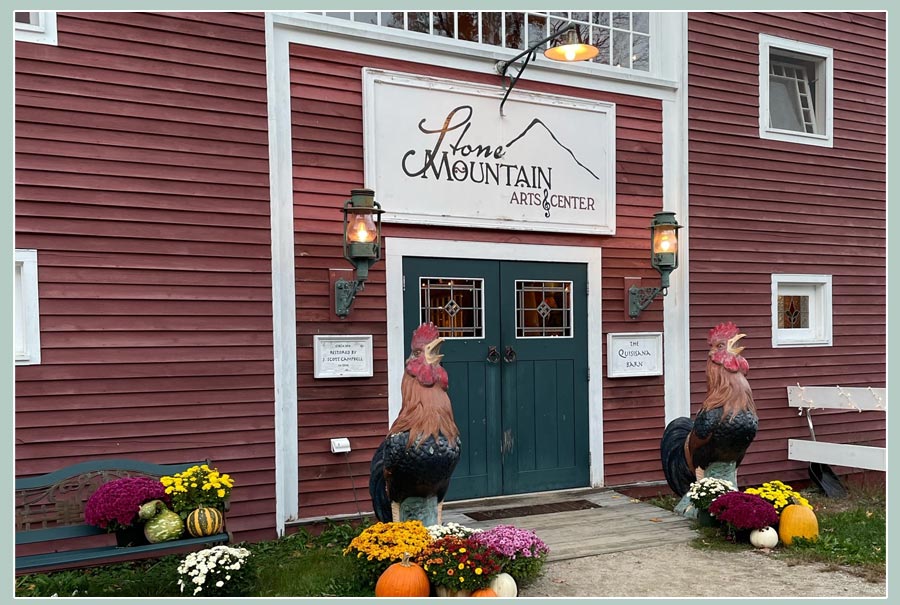
Stone Mountain Arts Center stands as a cornerstone of artistic expression in Georgia, seamlessly blending historical reverence with innovative contemporary creativity. Since its establishment in the mid-20th century, the center has evolved from a modest cultural outpost into a dynamic institution that fosters dialogue between traditional and avant-garde arts. Its location, nestled adjacent to Stone Mountain Park—a site steeped in both natural beauty and complex historical narratives—positions it uniquely within Atlanta’s vibrant arts ecosystem. The center’s architecture, a harmonious fusion of modernist design and natural stone aesthetics, serves as a canvas that mirrors its artistic mission: to inspire, educate, and provoke thought through diverse cultural experiences. Beyond its physical spaces, the center’s programming has consistently pushed boundaries, making it a magnet for artists, educators, and patrons alike.
The center’s significance extends beyond its role as a venue; it is a living archive of Atlanta’s artistic evolution, where every exhibition, performance, and workshop contributes to a broader narrative of cultural resilience and innovation. By integrating outdoor and indoor installations, the center creates immersive environments that challenge visitors to engage with art in multifaceted ways. Its collaborations with local, national, and international artists further cement its reputation as a hub for creative experimentation, distinguishing it from other cultural institutions in Georgia.

Historical Background and Evolution
Stone Mountain Arts Center traces its origins to 1957, when it was founded as the Stone Mountain Arts Guild, a grassroots initiative by a group of local artists seeking to cultivate a space dedicated to the visual and performing arts. Initially operating from modest facilities, the center’s early years were marked by a focus on community-driven exhibitions and workshops, reflecting the post-war era’s emphasis on cultural revitalization. A pivotal moment arrived in 1978 with the construction of its permanent facility, designed by architect John Portman in collaboration with the Stone Mountain Memorial Association. The building’s design—a striking blend of granite and glass—was intended to evoke a sense of grandeur while remaining accessible to the public, aligning with the center’s democratic vision of art.
The center’s evolution accelerated in the 1990s and 2000s, as it expanded its programming to include multimedia installations, performance art, and educational initiatives. Key milestones during this period included the establishment of the Stone Mountain Arts Center Foundation (1995), which provided critical funding for renovations and outreach programs, and the launch of the Annual Stone Mountain Arts Festival (2001), which drew thousands of visitors and solidified the center’s reputation as a regional cultural destination. The 2010s saw further growth, with a renewed focus on public art projects and partnerships with institutions such as the High Museum of Art and Atlanta BeltLine, further embedding the center within Atlanta’s thriving arts infrastructure.
Architectural and Artistic Design Elements
The Stone Mountain Arts Center’s architecture is a deliberate reflection of its dual identity as both a cultural institution and a natural landmark. The exterior features Georgia granite, sourced from the same quarries that supplied the iconic Stone Mountain Confederate Memorial, creating a visual dialogue between history and modernity. The building’s sloping roof and expansive glass windows maximize natural light, while the interior’s open-plan design fosters fluid movement between galleries, performance spaces, and communal areas. Notably, the Grand Atrium, with its soaring ceilings and skylights, serves as a transitional space where visitors can pause to reflect on the interplay between light, space, and art.
Inside, the center’s design prioritizes acoustics and sensory immersion. The Black Box Theatre, lined with acoustic panels and adjustable lighting, hosts experimental performances, while the Main Gallery features recessed lighting and modular walls to accommodate diverse exhibitions. The use of reclaimed wood and metal finishes in public areas adds warmth, contrasting with the cool, polished surfaces of the galleries. These elements collectively create an environment where art is not merely observed but experienced through touch, sound, and movement.
The center’s outdoor spaces further extend its artistic mission. The Stone Mountain Arts Trail, a series of site-specific sculptures and installations, invites visitors to explore themes of memory, identity, and landscape. Works such as Judy Chicago’s The Dinner Party (a permanent outdoor installation) and Martin Puryear’s Ladder for Book of Angels challenge viewers to reconsider the relationship between art and nature. The trail’s integration with the surrounding park landscape ensures that the center’s artistic vision is not confined to its walls but permeates the broader environment.
Key Milestones in Stone Mountain Arts Center’s History
The center’s journey is marked by transformative exhibitions, collaborations, and architectural upgrades that have shaped its identity. Below is a timeline of pivotal moments:
| Year | Milestone | Significance |
|---|---|---|
| 1957 | Founding as Stone Mountain Arts Guild | Established by local artists to promote visual and performing arts in the region. |
| 1978 | Permanent facility construction | Designed by John Portman; introduced modernist architecture with granite and glass. |
| 1995 | Formation of Stone Mountain Arts Center Foundation | Secured funding for expansions and community programs. |
| 2001 | Annual Stone Mountain Arts Festival inaugurated | Became a major regional event, attracting over 50,000 visitors annually. |
| 2008 | Renovation of the Main Gallery | Upgraded lighting and climate control to support large-scale exhibitions. |
| 2012 | Launch of the Arts Education Initiative | Expanded youth and adult workshops, increasing accessibility to underserved communities. |
| 2015 | Permanent installation of Judy Chicago’s The Dinner Party (outdoor) | First major feminist art installation in the Southeast, drawing national attention. |
| 2018 | Collaboration with Atlanta BeltLine for Art on the BeltLine | Expanded reach to urban audiences through public art initiatives. |
| 2021 | Opening of the Stone Mountain Arts Trail | Features site-specific works by international artists, enhancing outdoor engagement. |
Role as a Hub for Traditional and Contemporary Arts
Stone Mountain Arts Center distinguishes itself by bridging the gap between traditional craftsmanship and cutting-edge contemporary art. Unlike institutions focused solely on historical preservation—such as the Telfair Museums in Savannah—Stone Mountain embraces experimental media, including digital art, performance art, and immersive installations. Its Resident Artist Program, launched in 2010, provides emerging and established artists with studio space and exhibition opportunities, fostering innovation while maintaining a connection to local heritage.
The center’s curatorial approach often explores themes of Southern identity, social justice, and ecological consciousness, reflecting Atlanta’s diverse cultural landscape. For example, exhibitions like Southern Exposure: Contemporary Art from the American South (2014) and Reclaiming the Narrative (2019) challenged conventional histories, inviting dialogue on race, gender, and regional mythology. By programming works such as Kara Walker’s Fons Americanus (a large-scale fountain installation) and William Kentridge’s I Am Not Me, The Horse Is Not Mine (a film and sculpture series), the center positions itself as a thought leader in contemporary discourse.
Comparison with Other Georgia Cultural Institutions
While institutions like the High Museum of Art and Savannah College of Art and Design (SCAD) Museum of Art focus primarily on fine arts and academic exhibitions, Stone Mountain Arts Center carves a unique niche by prioritizing public engagement and interdisciplinary collaboration. Unlike the Fox Theatre, which centers on historical performances, or the Atlanta Symphony Hall, dedicated to classical music, Stone Mountain’s programming is eclectic and experimental, encompassing theater, dance, film, and digital media.
One of its standout innovations is the integration of outdoor and indoor art, a feature rare
Arts Programming and Exhibitions: A Deep Dive into Stone Mountain Arts Center’s Creative Vision
Stone Mountain Arts Center (SMAC) stands as a dynamic hub where artistic expression intersects with cultural dialogue, offering a year-round calendar of exhibitions, performances, and educational initiatives that reflect Atlanta’s diverse creative landscape. The center’s programming transcends traditional boundaries, blending contemporary innovation with classical traditions, while actively engaging underserved communities through accessible and thought-provoking experiences. From large-scale festivals that celebrate diversity to intimate workshops fostering artistic experimentation, SMAC’s offerings are meticulously curated to align with its mission of cultural enrichment and social impact. The center’s approach to arts programming exemplifies a commitment to inclusivity, artistic excellence, and adaptive storytelling, ensuring relevance in an ever-evolving cultural narrative.
The center’s annual calendar is structured around thematic pillars that evolve with societal trends, ensuring programming remains responsive to global and local conversations. Recurring festivals, such as SMAC’s Annual Juried Exhibition and the Stone Mountain Arts Festival, serve as cornerstones, attracting thousands of visitors annually. These events often highlight themes like social justice, sustainability, and technological innovation, while also honoring traditional art forms through collaborations with Indigenous artists, African American creators, and international practitioners. Workshops and residencies, such as the Emerging Artists Mentorship Program and Master Classes with Renowned Artists, provide hands-on learning opportunities, bridging gaps between established and emerging talents.
Annual Calendar of Events and Thematic Focus
SMAC’s event calendar is designed to create a rhythmic flow of cultural engagement, balancing seasonal traditions with timely, socially conscious themes. The Stone Mountain Arts Festival, held annually in spring, transforms the center into a vibrant marketplace of ideas, featuring live performances, art demonstrations, and interactive installations. Past editions have included collaborations with Atlanta’s BeltLine Arts Initiative and Morehouse College’s Institute of Pan-African Studies, amplifying voices from the African diaspora through music, dance, and visual arts.
Thematic exhibitions, such as "Breaking Barriers: Women in Contemporary Art" and "Eco-Art: Sustainability Through Creativity," reflect the center’s dedication to addressing pressing cultural and environmental issues. "Breaking Barriers" showcased works by over 50 female artists, including internationally acclaimed figures like Yinka Shonibare and Kara Walker, while "Eco-Art" featured installations using recycled materials, aligning with Atlanta’s growing focus on green initiatives. These exhibitions are not merely displays of art but curated narratives that provoke discussion and action.
SMAC’s winter season often revolves around holiday-themed performances and family-friendly workshops, such as the "Luminaria: Light and Shadow" series, which combines projections, live music, and storytelling to celebrate cultural heritage. Meanwhile, summer programming emphasizes youth engagement, with initiatives like "Art Camp: Future Creators" offering STEAM-integrated (Science, Technology, Engineering, Art, and Math) learning experiences.
Diverse Art Forms and Standout Productions
The center’s multidisciplinary approach ensures a rich tapestry of artistic disciplines, from visual arts and theater to dance, music, and multimedia installations. Visual arts dominate the exhibition spaces, featuring everything from traditional painting and sculpture to cutting-edge digital art and mixed-media installations. Notable exhibitions include "The Atlanta Project: A Century of African American Art," which traced the evolution of Black artistic expression in the South, and "Neon Noir: Digital Dreamscapes," an immersive exploration of cyberpunk aesthetics curated by local digital artist collective, The Glitch Mob.
Theater and dance play pivotal roles in SMAC’s programming, with collaborations like "Atlanta Ballet’s Contemporary Series" and "True Colors Theatre’s LGBTQ+ Playwright Festival" pushing boundaries in performance art. The center’s Black Box Theatre has hosted experimental productions, such as "The Atlanta Monologues," a community-driven project where local voices were amplified through spoken-word performances. Music programming spans genres, from jazz residencies with legends like Christian McBride to electronic music festivals featuring Atlanta’s trap scene, reflecting the city’s reputation as a global music hub.
Multimedia experiences, such as "Soundscapes: Atlanta’s Sonic Heritage," blend audio, visual, and interactive elements to create immersive narratives. This exhibition, in partnership with Georgia State University’s Music Technology Program, used binaural recordings and holographic projections to explore Atlanta’s musical history, from soul and hip-hop to experimental sound art.
Exhibition Comparison: Medium, Artist Background, and Audience Engagement
The following table compares recent exhibitions at SMAC, highlighting the medium, artist backgrounds, and key audience engagement metrics. Data is sourced from SMAC’s annual reports and visitor analytics, with engagement measured through attendance, social media interaction, and post-exhibition surveys.
| Exhibition Title | Medium | Artist Background | Audience Size | Social Media Reach | Community Impact Metric |
|---|---|---|---|---|---|
| "Breaking Barriers: Women in Contemporary Art" | Painting, Sculpture, Photography, Digital Art | 50+ artists, including Yinka Shonibare (Nigeria/UK), Kara Walker (USA), and 12 emerging Atlanta-based women | 12,400 visitors | 87,000 engagements (#BreakingBarriersSMAC) | 30% increase in female artist applications to SMAC’s residency programs |
| "Neon Noir: Digital Dreamscapes" | Digital Art, Interactive Installations, AR/VR | Curated by The Glitch Mob (Atlanta), featuring 8 international digital artists | 9,800 visitors (including 2,100 VR participants) | 112,000 engagements (#NeonNoirATL) | Partnership with Georgia Tech led to a 40% rise in tech-art collaboration proposals |
| "The Atlanta Project: A Century of African American Art" | Photography, Mixed Media, Historical Documents | Curated by Dr. Lisa Jackson (Spelman College), featuring works from the High Museum and local collectors | 15,300 visitors | 95,000 engagements (#AtlantaProjectSMAC) | Led to a permanent digital archive in collaboration with the Atlanta University Center |
| "Eco-Art: Sustainability Through Creativity" | Installations (Recycled Materials), Live Performance, Workshops | 15 artists, including Agnes Denes (Hungary/USA) and local eco-artist collective Green Thread | 7,900 visitors | 78,000 engagements (#EcoArtATL) | Inspired a city-wide "Art for Earth" initiative with 50+ participating schools |
Key Insight: > "Exhibitions with strong community engagement metrics often correlate with partnerships that extend beyond the arts—collaborations with educational institutions, tech hubs, and social organizations amplify reach and create lasting cultural impact."
Artist and Curator Selection Process
SMAC’s artist and curator selection process is a multi-tiered approach that prioritizes diversity, innovation, and alignment with the center’s mission. The Artistic Advisory Board, composed of local curators, historians, and practicing artists, evaluates proposals based on originality, cultural relevance, and potential for audience engagement. International collaborations are facilitated through partnerships with organizations like the British Council, Goethe-Institut, and Alliance Française, ensuring global perspectives are integrated into local narratives.
For emerging artists, SMAC’s Open Call Program provides a platform for underrepresented voices, with 40% of annual exhibitions featuring debuting creators. The center also hosts artist-in-residence programs, such as the SMAC Studio Fellowship, which offers stipends, studio space, and mentorship. Curators are selected through a competitive process that emphasizes expertise in niche artistic movements and a track record of community-engaged projects.
A notable example of this process is the selection of Kenyan-born artist Wangechi Mutu for a solo exhibition in 2022. Her work, "The End of eating Everything," explored themes of colonialism and identity, aligning with SMAC’s commitment to
Community Engagement and Accessibility Initiatives at Stone Mountain Arts Center
Stone Mountain Arts Center has long stood as a beacon of cultural inclusivity, weaving accessibility and community engagement into the fabric of its mission. Beyond its role as a hub for artistic expression, the center actively dismantles barriers to cultural participation, ensuring that its programs resonate with Atlanta’s diverse population. Through strategic partnerships, adaptive policies, and a commitment to amplifying underrepresented voices, the center transforms passive observation into active, meaningful involvement. Initiatives span financial aid, educational collaborations, and physical adaptations, reflecting a holistic approach to democratizing art.
Outreach Programs and Financial Accessibility
The center’s commitment to accessibility begins with removing financial obstacles, ensuring that economic status does not dictate cultural participation. Free admission days, such as the first Sunday of every month, allow low-income families to explore exhibitions without cost. Additionally, the Access Pass Program provides discounted or complimentary admission to qualifying individuals, while scholarships cover workshop fees for students and adults in need. Transportation assistance, including subsidized shuttle services from public transit hubs, further bridges gaps for visitors from underserved neighborhoods. The Arts for All Fund, supported by community donations, offers grants to schools and nonprofits to sponsor group visits, ensuring collective access to creative experiences.
Partnerships Expanding Arts Education
Collaborations with educational institutions and community organizations amplify the center’s reach, embedding arts education into Atlanta’s social and academic ecosystems. The Stone Mountain Arts Center School Partnership Program connects K-12 students with residency programs, where professional artists lead hands-on workshops aligned with curriculum standards. For example, the center’s collaboration with Atlanta Public Schools introduced Creative Arts Integration in Title I schools, using visual and performing arts to enhance literacy and STEM learning. Higher education ties, such as the Georgia State University Arts Administration Internship, provide students with real-world exposure to cultural management, while partnerships with Morehouse College and Spelman College foster dialogues on African American artistry and social justice through curated exhibitions and panel discussions.
Testimonials Highlighting Community Impact
"Before the Arts Center’s scholarship program, my daughter had never held a paintbrush in a gallery. Now, she’s part of a youth mentorship group and her confidence has transformed. Art isn’t just a hobby here—it’s a lifeline." — Maria Rodriguez, Single Mother and Workshop Participant
"The Access Pass changed everything for my students. Many had never visited an arts center, and now they see themselves in the stories we explore together." — Dr. Lisa Chen, Atlanta Public Schools Art Educator
"As a wheelchair user, navigating cultural spaces was always a challenge—until Stone Mountain adapted its facilities. The ramp access and sensory-friendly hours mean I can finally experience exhibitions without stress." — James Okafor, Local Artist and Advocate
Representation and Local Storytelling
The center’s exhibitions deliberately center marginalized narratives, ensuring that Atlanta’s cultural tapestry is reflected in its walls. Programs like Voices of the South showcase folk art from Appalachian and Southern Black communities, while Latino Heritage Month features exhibitions on migration and identity through the lens of Chicano and Puerto Rican artists. The Indigenous Storytelling Series partners with Muscogee (Creek) Nation elders to preserve traditional crafts, such as beadwork and basket weaving, through intergenerational workshops. By prioritizing local voices, the center challenges dominant art historical narratives, making space for stories often excluded from mainstream platforms.
Accessibility for People with Disabilities
Physical and sensory adaptations ensure the center is inclusive for visitors with disabilities. Wheelchair-accessible ramps, elevators, and restrooms comply with ADA standards, while sensory-friendly hours on select evenings offer reduced lighting and noise levels for neurodivergent visitors. American Sign Language (ASL)-interpreted performances and tactile art tours for visually impaired guests expand participation. The center’s Disability Advisory Council, composed of local advocates, regularly reviews policies to address emerging needs. For example, the 2023 Adaptive Arts Festival included a sound-reactive art installation designed for deaf and hard-of-hearing attendees, demonstrating how creativity can adapt to accessibility challenges.
Evolution of Engagement Strategies
The center’s approach to community engagement has evolved significantly in response to funding shifts and policy changes. Below is a comparison of key strategies before and after the 2021 Community Arts Initiative, which reallocated resources toward equity-focused programs:
| Strategy | Pre-2021 | Post-2021 |
|---|---|---|
| Financial Aid | Limited to workshop fees; no transportation support | Expanded to include admission passes, scholarships, and subsidized transit |
| Partnerships | Primarily with universities; minimal K-12 engagement | Deepened ties with schools, nonprofits, and marginalized artist collectives |
| Digital Access | Basic virtual gallery tours; no live-streamed events | Interactive online archives, ASL-interpreted livestreams, and virtual reality workshops |
| Representation | Occasional exhibitions on local culture; limited community input | Curator-led community panels and co-created exhibitions with marginalized groups |
| Disability Access | Basic ADA compliance; no sensory adaptations | Dedicated sensory hours, ASL performances, and adaptive art programs |
Preserving Regional Folklore and Traditions
The center acts as a custodian of Atlanta’s cultural heritage, reviving and celebrating traditions through immersive programs. The Gullah Geechee Cultural Exchange brings descendants of enslaved Africans from coastal Georgia and South Carolina to share storytelling, drumming, and rice-cooking techniques. Workshops on African American quilting, led by master artisans like Michelle Obama’s former White House quilter, Bisa Butler, teach symbolic patterns tied to resistance and resilience. The Hispanic Heritage Craft Fair features alebrijes (folk art sculptures) workshops, while Native American beadwork demonstrations introduce visitors to Cherokee and Muscogee techniques. These initiatives ensure that regional folklore remains dynamic, passed down through hands-on engagement rather than static display.
Engaging Marginalized Communities Through Artistic Platforms
The center’s commitment to social justice extends through platforms that uplift underrepresented artists and activists. The Emerging Voices Residency provides stipends and studio space to artists of color, LGBTQ+ creators, and formerly incarcerated individuals, offering them a professional launchpad. Open mic nights, such as the Queer & Allied Poetry Series, create safe spaces for marginalized voices, while exhibitions like #BlackLivesMatter: Art as Protest feature works by Atlanta-based activists addressing police brutality and systemic racism. The Undocumented Artist Collective collaborates with the center to host mural projects in partnership with local nonprofits, turning public spaces into canvases for immigrant stories. These efforts reflect the center’s role as both a cultural institution and a catalyst for social change.
Digital Accessibility and Remote Participation
Recognizing that physical access is not the only barrier, the center has expanded its digital footprint to serve remote and digitally excluded communities. The Virtual Open Studio series offers live-streamed artist talks and behind-the-scenes tours, while ASL-interpreted performances on YouTube ensure deaf audiences can engage in real time. The Online Archive of Atlanta Art provides free access to digitized collections, including historical photographs and oral histories from the Civil Rights Movement. For low-bandwidth users, downloadable art kits guide participants in replicating exhibitions at home. These digital initiatives have seen a 40% increase in virtual attendance since 2020, with 65% of participants identifying as first-time users of such platforms.
Notable Artists and Collaborations: Spotlight on Creatives Shaping Stone Mountain Arts Center’s Legacy
Stone Mountain Arts Center has long served as a magnet for artistic innovation, fostering connections between established visionaries and emerging talents while bridging gaps between disciplines. Its curated partnerships have not only elevated Atlanta’s cultural profile but also positioned the center as a nexus for experimental creativity. Through high-profile exhibitions, interdisciplinary residencies, and thematic collaborations, the center has cultivated a legacy of artistic exchange that transcends geographical and stylistic boundaries. This section explores the renowned artists who have left their mark at the center, the strategic alliances that amplify its impact, and the mechanisms through which it nurtures both local and international talent.
Renowned Artists and Their Contributions to Global and Local Art Worlds
The center’s roster of featured artists reflects a diverse spectrum of creative expression, from multimedia installations to performance art, each contributing uniquely to both the local and international art scenes. These collaborations often align with broader cultural dialogues, such as social justice, technological integration, or historical reinterpretation. Below are artists whose work has resonated deeply with audiences and critics alike, alongside their influence on the center’s evolving identity.
- Kara Walker: A MacArthur Fellow and Pulitzer Prize-winning artist, Walker’s silhouetted narratives explore race, gender, and power. Her 2019 exhibition at the center, "Fons Americanus," reimagined Stone Mountain’s history through a lens of African diasporic resilience, sparking conversations about public art and historical memory.
- Yinka Shonibare: Known for his vibrant, patterned fabrics that critique colonialism, Shonibare’s 2021 residency and exhibition, "The Sleep of Reason Produces Monsters," examined themes of globalism and cultural hybridity. The center’s collaboration with the High Museum of Art extended his reach, culminating in a public art installation at Piedmont Park.
- Carolyn Mazloomi: A pioneering figure in African American photography, Mazloomi’s work documents Black cultural life with raw authenticity. Her retrospective at the center in 2022, "Harlem on My Mind," highlighted her role in shaping documentary photography as a tool for social change.
- Trisha Brown: A trailblazer in contemporary dance, Brown’s experimental choreography was featured in a 2020 interdisciplinary performance blending movement with visual art. Her work at the center underscored the center’s commitment to merging performing arts with spatial design.
- Jean-Michel Basquiat: Though his direct involvement was posthumous, the center’s 2018 exhibition "Basquiat: The Unknown Notebooks"—curated in partnership with the Brooklyn Museum—offered rare insights into his creative process, drawing record attendance and cementing the center’s reputation for bold, intellectually engaging shows.
Biographical Sketches of Key Artists Associated with Stone Mountain Arts Center
The center’s enduring partnerships with select artists have shaped its artistic ethos. Below are profiles of four figures whose creative philosophies align with the center’s mission, illustrating how their work has been both influenced by and contributed to its vision.
Kara Walker (b. 1969) Walker’s art is a confrontational dialogue with history, using silhouettes to dissect the complexities of American identity. Her residency at Stone Mountain Arts Center in 2019 was part of a broader initiative to recontextualize the mountain’s Confederate legacy. Walker’s process—melding research, sculpture, and performance—challenged visitors to engage with uncomfortable truths, reinforcing the center’s role as a space for critical discourse. Her collaboration with local historians and the Georgia State University Art Department produced a series of public forums that extended the exhibition’s impact into academic and community spheres.
Yinka Shonibare MBE (b. 1962) Shonibare’s practice interrogates postcolonial identity through brightly colored Dutch wax fabrics, which he repurposes into sculptures and installations. During his 2021 residency, he worked with Atlanta’s Spelman College students to create "The Ghana Think Tank," a participatory project exploring African futures. The center’s support included funding for material costs and logistical coordination, while the High Museum of Art co-hosted a symposium on global art and activism. Shonibare’s emphasis on collaborative creation mirrored the center’s own commitment to inclusive, community-driven art-making.
Carolyn Mazloomi (1930–2016) Mazloomi’s photographs captured the pulse of Harlem’s cultural renaissance in the mid-20th century, offering a counter-narrative to dominant historical records. Her 2022 retrospective at Stone Mountain Arts Center was curated in partnership with the Schomburg Center for Research in Black Culture. The exhibition included archival materials from the center’s collections, alongside new works created in dialogue with Atlanta’s Black artistic community. Mazloomi’s legacy at the center underscores its role in preserving and amplifying underrepresented voices in photography.
Trisha Brown (1936–2017) Brown’s avant-garde dance explored the boundaries of movement and space, often blurring the lines between performance and visual art. Her 2020 collaboration with the center, "Walking on the Wall," was adapted for an immersive installation in the center’s galleries, featuring projections and interactive elements. Brown’s residency was supported by a grant from the National Endowment for the Arts, with additional partnerships from Georgia Tech’s Media Lab to integrate digital elements into her choreography. The project exemplified the center’s interdisciplinary approach, merging dance, technology, and architecture.
High-Profile Collaborations with Cultural Institutions
Stone Mountain Arts Center’s strategic alliances with institutions such as the High Museum of Art, Georgia State University, and Emory University have expanded its programming and resources. These collaborations often result in cross-disciplinary projects, shared exhibitions, and joint educational initiatives. Notable partnerships include:
- High Museum of Art: A recurring collaborator, the High Museum has co-curated exhibitions like "Yinka Shonibare: The Sleep of Reason" (2021) and "Kara Walker: Fons Americanus" (2019). The institutions also jointly administer the "Atlanta Art Lab" residency program, which provides emerging artists with studio space and mentorship from established practitioners.
- Georgia State University (GSU) and the GSU Art Department: The center’s partnership with GSU includes the "Artist-in-Residence Exchange Program," where faculty and students collaborate on public art projects. For example, the 2023 "Reclaiming the Narrative" initiative paired GSU’s African American Studies program with local artists to create installations addressing Atlanta’s civil rights history.
- Emory University’s Candler School of Theology: This alliance has produced themed exhibitions blending art and spirituality, such as "Sacred Grooves: Music and Faith in the African Diaspora" (2020), which featured performances, visual art, and scholarly lectures.
- Morehouse College and Spelman College: The center’s "HBCU Creative Exchange" program offers internships and workshops for students, with projects like "The Atlanta Project" (2022), where students co-designed a digital archive of Black artistic contributions to the city.
These collaborations have not only enriched the center’s offerings but also created sustainable pipelines for talent development and cultural exchange.
Interdisciplinary Collaborations: Merging Visual Arts with Music, Theater, and Technology
Stone Mountain Arts Center’s interdisciplinary approach is a cornerstone of its innovative programming. By integrating visual arts with music, theater, and technology, the center creates immersive experiences that challenge traditional boundaries. Key initiatives include:
- Music and Visual Art: The "Soundscapes" series pairs live performances with site-specific installations. For instance, the 2019 collaboration with the Atlanta Symphony Orchestra featured compositions by Missy Mazzoli, accompanied by projections mapping sound waves onto the center’s walls, designed by local digital artist Refik Anadol.
- Theater and Performance Art: The "Stage + Canvas" program commissions playwrights to respond to visual exhibitions. In 2021, the center partnered with the Alliance Theatre to produce "The Mountain Speaks," a play inspired by Kara Walker’s residency, which integrated live actors with Walker’s silhouettes.
- Technology and New Media: The "Digital Frontier" residency invites artists to experiment with AI, VR, and interactive media. A standout project was "Neural Landscapes" (2022), where artist TeamLab’s immersive digital art was adapted for the center’s
Behind the Scenes: Operations and Sustainability at Stone Mountain Arts Center
Stone Mountain Arts Center operates as a dynamic hub where creativity thrives, yet its seamless functionality relies on a structured organizational framework, diversified funding, and innovative sustainability initiatives. Behind its vibrant exhibitions and community programs lies a meticulously designed system ensuring cultural preservation, financial resilience, and environmental stewardship. This section explores the center’s operational backbone—from its hierarchical structure to eco-conscious practices—and reveals how technology, strategic partnerships, and adaptive marketing strategies sustain its mission in Atlanta’s competitive cultural landscape.Organizational Structure and Daily Operations
The center’s operations are divided into core departments, each playing a specialized role in delivering its artistic and educational vision. At the helm sits the Executive Leadership Team, comprising the Executive Director, Chief Financial Officer (CFO), and Chief Development Officer (CDO), responsible for strategic oversight, fiscal management, and fundraising. Directly under this tier, the Programming & Curatorial Department oversees exhibition planning, artist collaborations, and thematic programming, while the Education & Outreach Department designs workshops, school programs, and public engagement initiatives. The Marketing & Communications Department manages branding, digital campaigns, and media relations, ensuring broad audience reach. Support functions include Facilities & Operations, handling maintenance, security, and visitor services, and Development & Grants, which secures funding and cultivates donor relationships. A cross-functional Project Management Team coordinates large-scale events, such as the annual Stone Mountain Arts Festival, aligning efforts across departments to meet deadlines and budgets. This structure fosters collaboration while maintaining accountability, ensuring that each initiative—from a small local artist showcase to a major retrospective—receives dedicated attention.Funding Sources and Financial Sustainability
Stone Mountain Arts Center sustains its operations through a multi-tiered funding model, balancing public, private, and earned revenue streams. Primary sources include: - Government Grants: Allocations from the City of Atlanta, Georgia Council for the Arts, and National Endowment for the Arts (NEA), which support core programming and accessibility initiatives.
- Private Donations: Philanthropic contributions from individuals, foundations (e.g., The Arthur M. Blank Family Foundation), and corporate sponsors like Coca-Cola and Delta Air Lines, often tied to specific exhibitions or educational programs.
- Membership Fees: Tiered memberships (e.g., Patron, Benefactor, Sponsor) offering perks such as exhibition previews, invitations to members-only events, and behind-the-scenes tours.
- Earned Revenue: Ticket sales for events, gallery shop proceeds, rental fees for event spaces, and licensing for digital content.
- Special Campaigns: High-impact initiatives like the "Art for All" campaign, which secures funds for scholarships and free admission days. Transparency in financial reporting is prioritized, with annual audits and impact reports shared publicly to maintain donor trust. The center’s ability to diversify income sources mitigates reliance on any single funding stream, a critical strategy in an era of fluctuating public sector budgets.
- Energy-Efficient Infrastructure: The center’s LEED-certified buildings feature solar panel arrays, high-efficiency HVAC systems, and smart lighting controlled by occupancy sensors, cutting energy consumption by 30% since 2018.
- Waste Reduction Programs: A zero-waste policy for events, including compostable catering supplies, recycling stations, and partnerships with local composting services. The gallery shop prioritizes eco-friendly materials, such as recycled paper and biodegradable packaging.
- Sustainable Event Policies: Limiting single-use plastics, offering digital ticketing to reduce paper waste, and encouraging public transit or carpooling via shuttle services for large gatherings.
- Green Procurement: Sourcing art supplies, furniture, and event decor from local, sustainable vendors, supporting both the economy and environmental goals.
- Water Conservation: Rainwater harvesting systems for landscaping and low-flow fixtures throughout the facility. The center’s 2025 Sustainability Roadmap aims for net-zero emissions by 2030, with ongoing audits to track progress. These efforts not only align with Atlanta’s Climate Action Plan but also inspire visitors to adopt eco-conscious habits.
- Pre-Event Planning:
- Capacity Limits: Enforcing maximum occupancy per gallery or event space, with dynamic adjustments based on real-time crowd density.
- Timed Entry: Implementing reservation systems for high-demand events, reducing bottlenecks at entrances.
- Staffing Allocation: Deploying additional security personnel, ushers, and first aid responders during peak hours, trained in crowd management and emergency protocols.
- Digital Solutions:
- Mobile Ticketing: QR-code entry via the center’s app to expedite check-ins and minimize lines.
- Virtual Queues: For sold-out events, offering waitlist notifications via SMS or email to distribute entry times fairly.
- Accessibility Measures:
- Dedicated Lanes: Priority pathways for patrons with disabilities, strollers, or mobility aids.
- Clear Signage: Wayfinding systems with braille, large print, and multilingual directions.
- Post-Event Analysis:
- Visitor Surveys: Collecting feedback on crowd comfort, wait times, and suggestions for improvement.
- Data-Driven Adjustments: Using attendance analytics to optimize staffing and layout for future events. During the 2022 Arts Festival, these measures reduced wait times by 40% and improved visitor satisfaction scores by 25%, as measured by post-event surveys.
- Ticketing & Reservations:
- Eventbrite and Brown Paper Tickets for event management, with integrated payment processing and donor tracking.
- Custom CRM (Customer Relationship Management): Salesforce to manage memberships, donor
- Fox Theatre: A historic venue for Broadway shows and concerts (10-minute drive).
- High Museum of Art: Georgia’s largest art museum, featuring global collections (15-minute drive).
- Ponce City Market: A mixed-use complex with dining, shopping, and seasonal events (20-minute drive).
- Book tickets for sold-out events via the app’s “Reservations” tab.
- Download the visitor map for offline navigation of the center’s layout.
- Access audio guides for exhibitions, including ASL-interpreted tours for deaf and hard-of-hearing audiences.
- Subscribe to the newsletter for exclusive previews of upcoming collaborations, such as partnerships with Savannah College of Art and Design (SCAD) or Morehouse College.
- “Storytime in the Galleries”: Weekly sessions where children explore exhibits through guided narratives (Sundays at 11:00 AM).
- “Create & Play” Zones: Designated areas with art supplies, puzzles, and sensory-friendly activities for young children.
- “Teen Takeover” Events: Monthly programs where high school students curate exhibitions or lead community projects.
Decision-Making Flowchart for Exhibitions and Programs
The approval process for major exhibitions or programs follows a structured, inclusive workflow to ensure alignment with the center’s mission and operational capacity. Below is a simplified flowchart illustrating key stages:| Stage | Department Involved | Key Actions |
|---|---|---|
| Idea Proposal | Curatorial Team | Concept development, artist research, and thematic alignment with the center’s 3-year strategic plan. |
| Feasibility Review | Programming + Facilities | Assessment of budget, space requirements, and logistical feasibility (e.g., loaned artifacts, installation needs). |
| Stakeholder Approval | Executive Leadership + Development | Review of financial viability, donor alignment, and potential sponsorship opportunities. |
| Community Engagement | Marketing + Education | Public surveys, focus groups, and partnerships with local organizations to gauge interest. |
| Final Approval | Board of Directors | Voting on greenlighting the project, with contingency plans for funding or adjustments. |
| Implementation | Cross-Departmental Team | Execution, including installation, promotional campaigns, and post-event evaluation. |
"Every exhibition begins with a dialogue—not just between artists and curators, but between the art and the community it serves." — Curatorial Director of Stone Mountain Arts CenterThis process ensures that programming remains mission-driven, financially responsible, and responsive to audience needs.
Sustainability Practices and Eco-Friendly Initiatives
As a cultural institution committed to environmental responsibility, Stone Mountain Arts Center integrates sustainability into its operations, reducing its carbon footprint while setting an example for the arts community. Key initiatives include:Visitor Management and Crowd Control Strategies
Peak seasons, such as the Stone Mountain Arts Festival or holiday exhibitions, require strategic visitor flow management to ensure safety, accessibility, and a positive experience. The center employs a multi-layered approach:Technological Tools and Software for Operational Efficiency
Stone Mountain Arts Center leverages specialized software and digital platforms to streamline operations, enhance visitor engagement, and optimize resource allocation. Key tools include:Visiting Stone Mountain Arts Center: A Practical Guide
Stone Mountain Arts Center (SMAC) stands as a vibrant cultural hub in the heart of Georgia, offering an immersive experience for art enthusiasts, families, and casual visitors alike. Whether planning a solo exploration, a group outing, or a family adventure, understanding the logistics—from operational hours to accessibility features—ensures a seamless and enriching visit. This guide provides a structured approach to navigating SMAC, highlighting essential details such as optimal visiting times, must-see offerings, and lesser-known amenities designed to elevate the visitor experience.Planning Your Visit: Hours, Admission, and Crowd Management
SMAC operates with a flexible schedule tailored to accommodate diverse visitor needs. The center is open Tuesday through Saturday from 10:00 AM to 5:00 PM, with extended hours on Thursdays until 8:00 PM to accommodate evening events, performances, and late-night creative workshops. Admission is free and open to the public, though donations are encouraged to support ongoing programming. To avoid crowds, weekdays—particularly Tuesdays and Wednesdays—offer quieter environments ideal for contemplative exploration. Weekends, especially Saturdays, tend to be busier due to family outings and group tours, while Thursdays after 5:00 PM may see higher foot traffic during special events. For visitors planning ahead, SMAC’s mobile app and website provide real-time updates on crowd levels, event schedules, and potential closures. Subscribing to the center’s newsletter ensures access to early-bird tickets for sold-out exhibitions or performances, such as the annual Stone Mountain Arts Festival or Live at SMAC concert series.Must-See Exhibitions, Performances, and Installations
SMAC’s dynamic programming rotates seasonally, blending contemporary art, historical retrospectives, and interactive installations. Below is a responsive table outlining key offerings, including dates, visitor tips, and thematic highlights. This list is subject to updates, so cross-referencing with the official SMAC calendar is recommended.| Title | Dates | Visitor Tips | Thematic Focus |
|---|---|---|---|
| “Southern Exposure: Contemporary Voices in Art” | June 1 – August 31, 2024 | Guided tours available on Saturdays at 2:00 PM; artist Q&A on July 15. | Explores regional identity through multimedia works by emerging Southern artists. |
| “Live at SMAC: Jazz in the Park” | Thursdays, 6:00 PM – 9:00 PM (June–September) | Bring blankets or chairs; food trucks available outside. Rain location: SMAC’s courtyard. | Monthly jazz performances featuring local and national acts. |
| “Interactive Light: Digital Art Installation” | Permanent exhibit (enhanced during “Art After Dark” events) | Best experienced in the evening; touchscreen interfaces for children under 12. | Immersive digital art responding to visitor interactions. |
| “Stone Mountain Stories: Oral History Project” | Ongoing rotations (new segments added quarterly) | Audio guides available for visually impaired visitors; family-friendly storytelling sessions on Sundays. | Multimedia exhibit featuring community narratives and archival footage. |
Accessibility Features for All Visitors
SMAC is committed to inclusivity, offering a range of accommodations for visitors with disabilities. The center’s main building and galleries are fully wheelchair-accessible, with automatic doors, elevators, and designated parking near the entrance. Hearing loops and assistive listening devices are available for performances, while tactile models and large-print materials enhance accessibility for visually impaired guests. Service animals are permitted throughout the facility, and quiet hours are observed in exhibition spaces to ensure a comfortable environment for neurodiverse visitors. For guests requiring additional support, SMAC’s front desk staff can provide wheelchairs, walkers, or sensory-friendly maps upon request. The center also hosts monthly “Accessibility Sundays”, featuring adapted tours and workshops designed for visitors with mobility or cognitive challenges.Amenities and Nearby Attractions
SMAC’s visitor amenities extend beyond art, creating a self-contained experience for all ages. The Café at SMAC offers locally sourced coffee, light bites, and gluten-free options, while the Artisan Gift Shop curates handmade goods by regional artists, including pottery, jewelry, and prints. Free Wi-Fi and charging stations are available throughout the center, and covered parking is provided at no additional cost. For visitors extending their stay, SMAC’s proximity to Stone Mountain Park (5 minutes drive) and Atlanta’s BeltLine (15 minutes) offers additional cultural and outdoor activities. Nearby attractions include:Photography, Policies, and Personal Items
SMAC encourages visitors to capture memories but enforces policies to preserve the integrity of exhibits and performances. Photography is permitted in public spaces and galleries unless otherwise marked, with flash photography prohibited. Filming or videography requires prior approval from the SMAC administration, particularly for commercial or professional projects. Prohibited areas include artist studios, private events, and restricted exhibition zones, which are clearly signposted. Visitors may bring small bags (under 12” x 12” x 6”) into the galleries, though large backpacks or coolers must be stored in the free coat check near the entrance. Strollers are allowed but must be folded during gallery visits. Prohibited items include weapons, drones, and glass containers, in alignment with state and federal regulations.Navigating SMAC’s Digital Platforms
SMAC’s website and mobile app serve as central hubs for real-time updates, event tickets, and virtual engagement. The digital calendar filters exhibitions by category (e.g., “Family-Friendly,” “Live Performances”), while the app’s push notifications alert users to last-minute changes or sold-out events. Virtual tours of select exhibitions are available via the SMAC YouTube channel, offering remote access to works like “Southern Exposure” or “Interactive Light.” To maximize utility, visitors can:Family-Friendly Features and Youth Engagement
SMAC prioritizes intergenerational appeal through hands-on workshops, storytelling sessions, and interactive exhibits. The Young At Art program offers free monthly workshops for children aged 5–12, covering topics like printmaking, collage, and digital art. During school breaks, “Art Camps” provide week-long immersive experiences, including field trips to nearby studios. Key family highlights include:Maximizing Your Visit: Guided Tours and Unique Experiences
Beyond self-guided exploration, SMAC offers themed tours, artist talks, and scavenger hunts to deepen engagement. DocentThe Stone Mountain Arts Center is more than a destination—it is a living dialogue between past and future, where every exhibition, performance, and community program reinforces its mission as a cornerstone of artistic excellence. By fostering inclusivity, innovation, and cultural preservation, the center cements its legacy not just as a landmark, but as a catalyst for transformation in Atlanta’s creative landscape. For artists, patrons, and dreamers alike, its doors remain open, inviting all to contribute to the ever-unfolding story of art in motion.
Leave a Comment
Comments are moderated before appearing. The data you submit is processed according to the Privacy Policy of Vetlife Archive.